
Why do some crochet pieces feel right in everyday life – while others don’t?
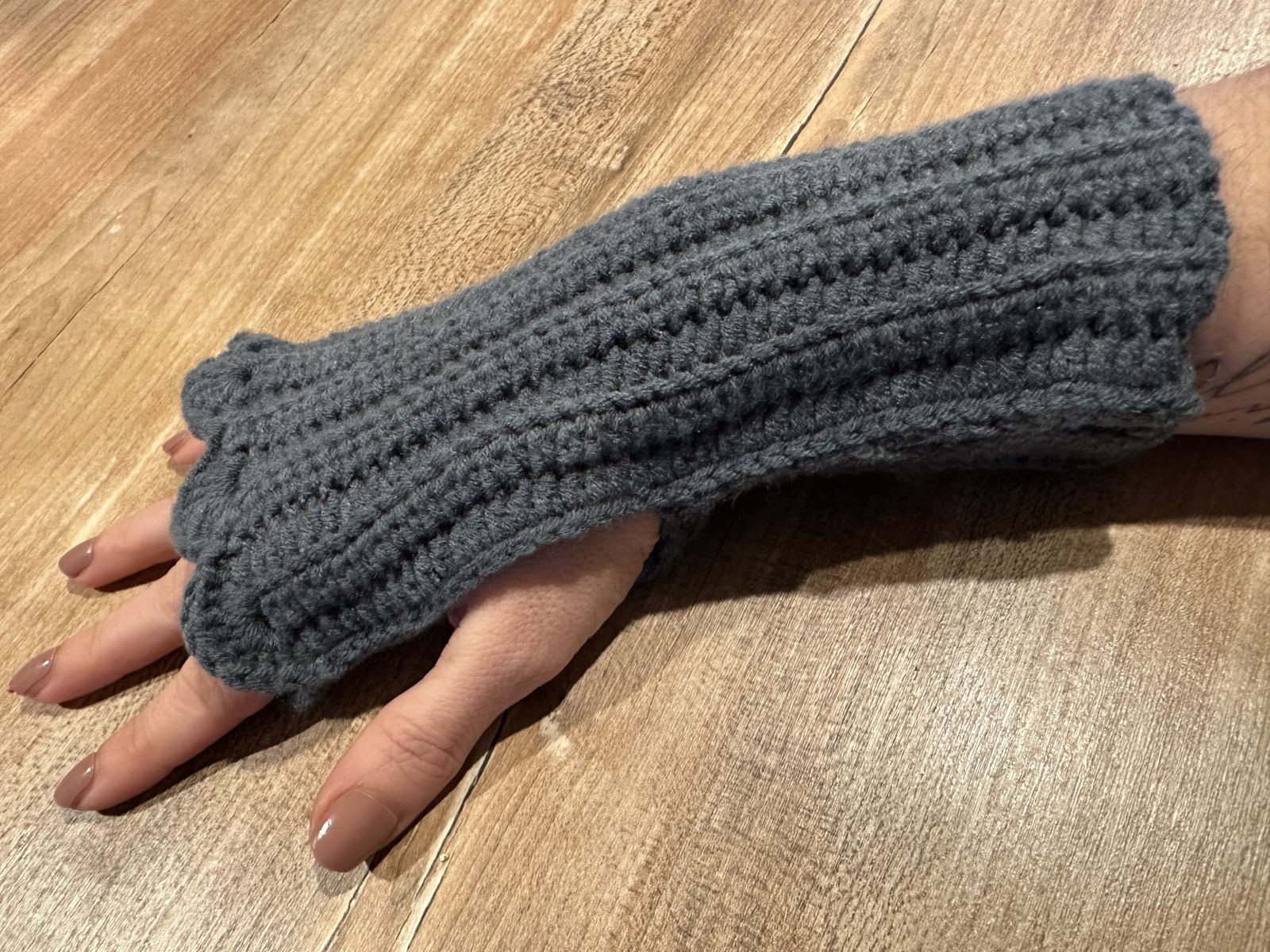
Some crochet pieces feel soft, flexible, and comfortable in everyday life – while others look beautiful but somehow feel stiff or restrictive once worn.
Especially when we crochet for everyday family life, comfort often matters more than decorative details.
Very often, the difference isn’t the yarn or the stitch itself.
It’s a small technical decision made while crocheting: working into the back loop only.
In this blog post, I’ll show you what crocheting into the back loop really does, why it changes the structure of your fabric so noticeably, and why this technique is incredibly useful for wearable crochet projects in family life.
What does “crocheting into the back loop” mean?
When crocheting, each stitch consists of two loops at the top: a front loop and a back loop.
Normally, we insert the hook under both loops.
When you crochet into the back loop only, the hook is inserted just under the loop that lies further away from you.
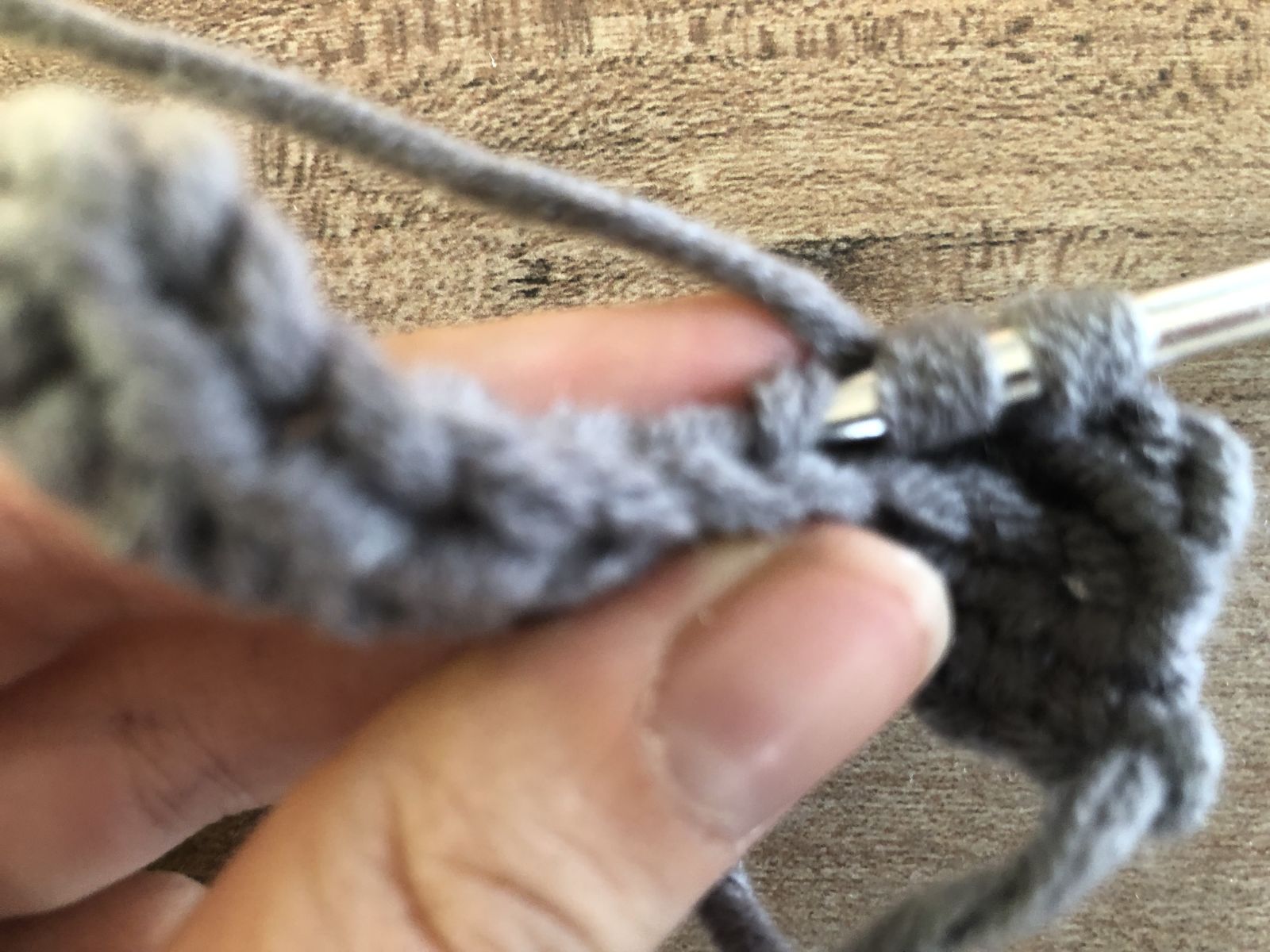
This small change has a big effect – even though the stitch itself stays exactly the same.
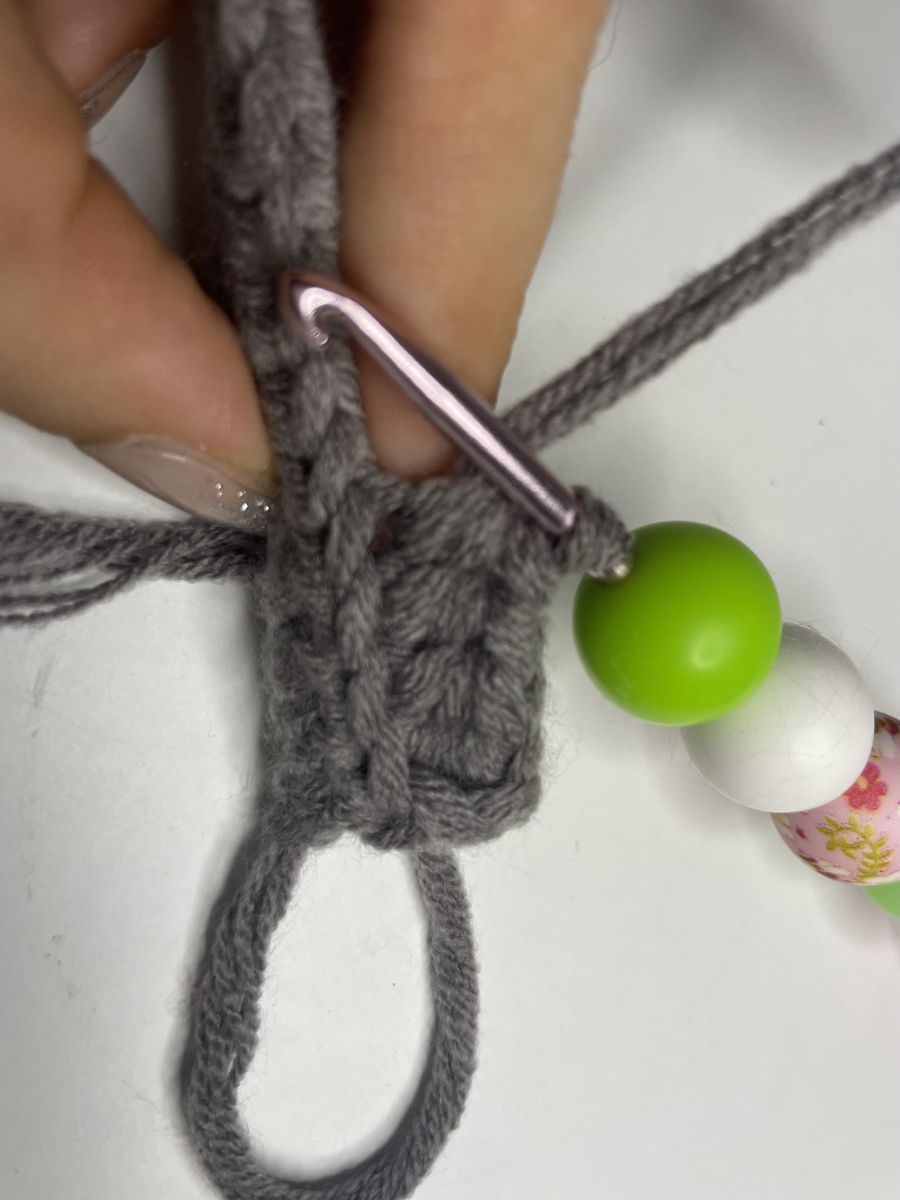
Why does this change the structure?
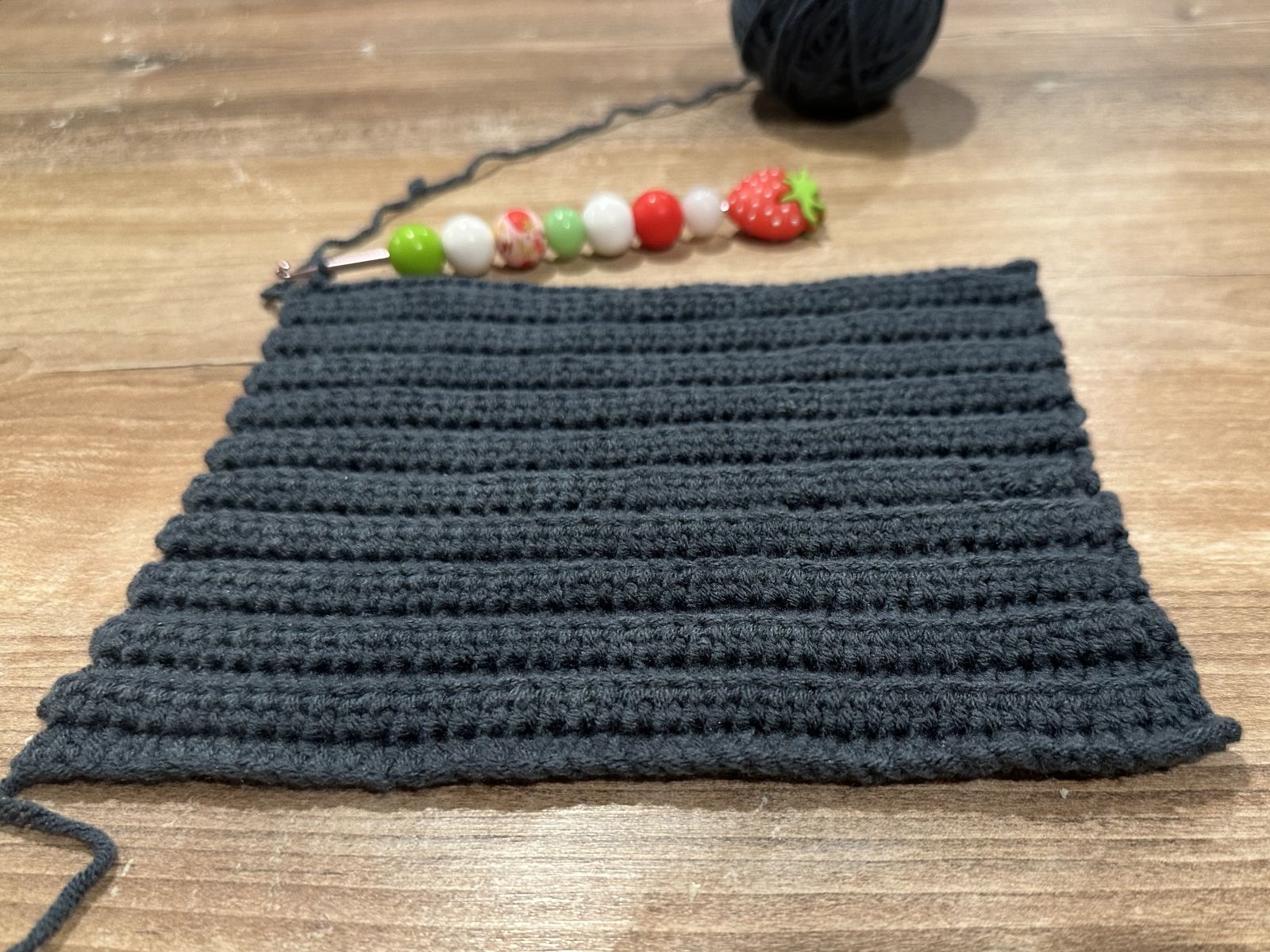
By leaving the front loop untouched, it naturally folds forward.
Row by row, this creates a visible ribbed texture.
But more importantly:
The fabric becomes stretchier and more flexible, without adding extra stitches or complex patterns.
This is why crocheting into the back loop is so often used for ribbing – and why it works beautifully for entire pieces as well.
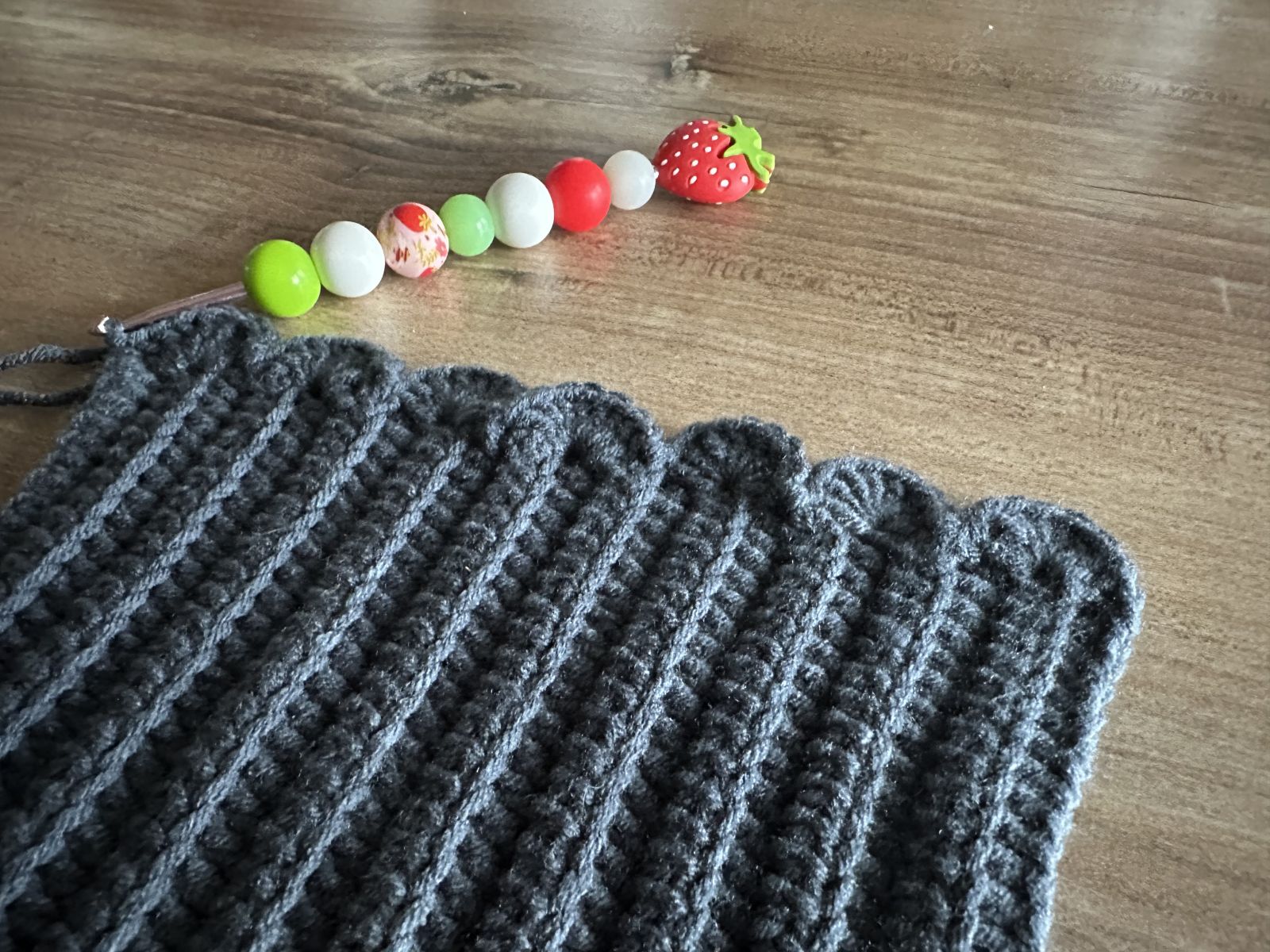
.jpeg)
(crocheted into the back loop vs. not crocheted into the back loop)
Elasticity without adding new stitches
One of the biggest advantages of this technique is that it creates elasticity without changing stitch count or stitch type.
That means:
- no complicated calculations
- no special stitches
- no additional shaping
Just a different place to insert your hook.
This makes it ideal for simple, everyday crochet projects that still need to move with the body.
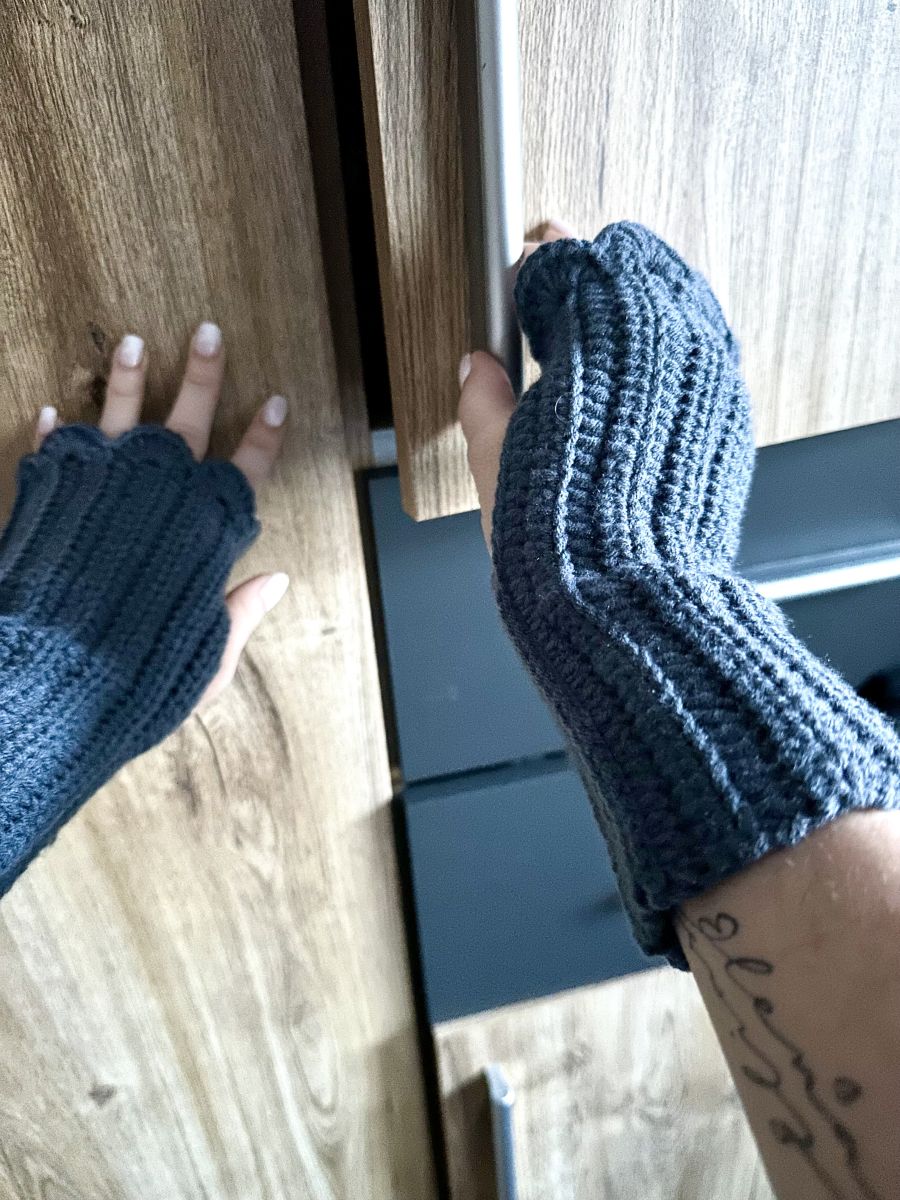
Why this technique is perfect for everyday family life
In family life, crochet pieces need to do more than just look good.
They need to move, stretch, and feel comfortable – whether you’re holding a child’s hand, carrying bags, or spending time outdoors.
That’s exactly where crocheting into the back loop shines:
- cuffs stay flexible
- wrist warmers don’t cut in
- garments adapt naturally to movement
It’s a quiet technique, but one that makes a big difference in daily wear.
Example from my own designs
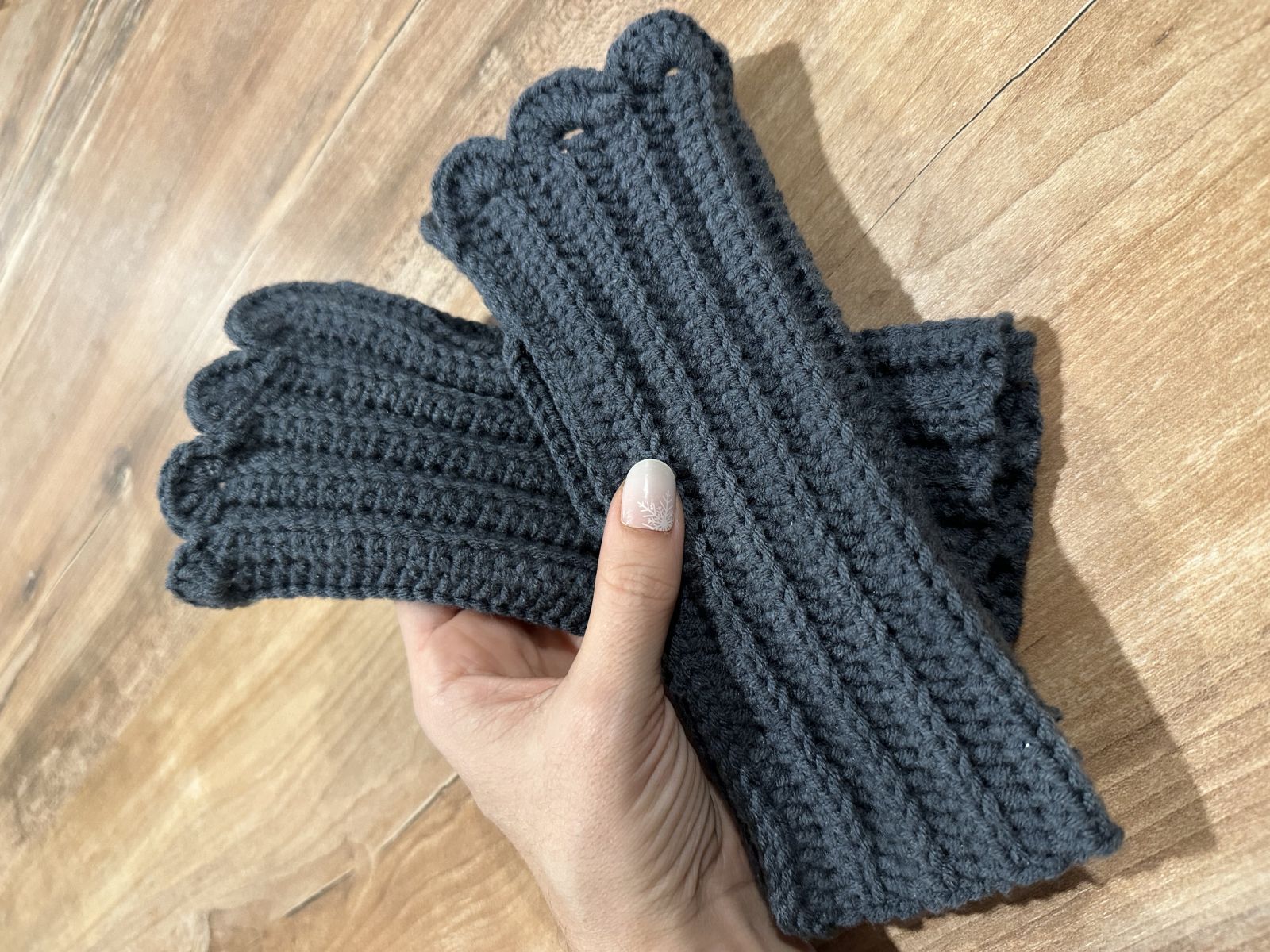
In my wrist warmer design, the entire piece is crocheted into the back loop – not just the edges.
This keeps the wrist warmers flexible along the whole length, not only at the opening.
The result is a piece that adapts naturally to the hand and wrist, making it comfortable to wear throughout the day.
If you enjoy practical crochet pieces that fit seamlessly into everyday family life, this technique is one you’ll want to remember.
When should you use the back loop technique?
Crocheting into the back loop works especially well for:
- wrist warmers
- cuffs on hats or sweaters
- flexible edges
- garments meant to be worn daily
Whenever you want structure and comfort, without increasing complexity, this technique is a great choice.
Final thoughts
Sometimes, it’s not about learning more stitches – but about understanding how small technical choices change the result.
Crocheting into the back loop is one of those techniques that quietly improves your projects, especially when you crochet for real life and real people.
And once you start noticing its effect, you’ll likely use it far more often than you expect.


