
Categories
Quick to Target
Community & Help
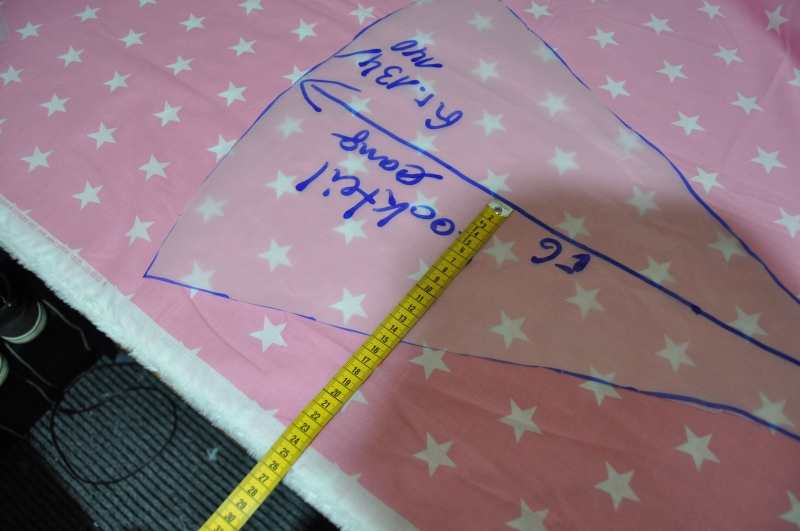
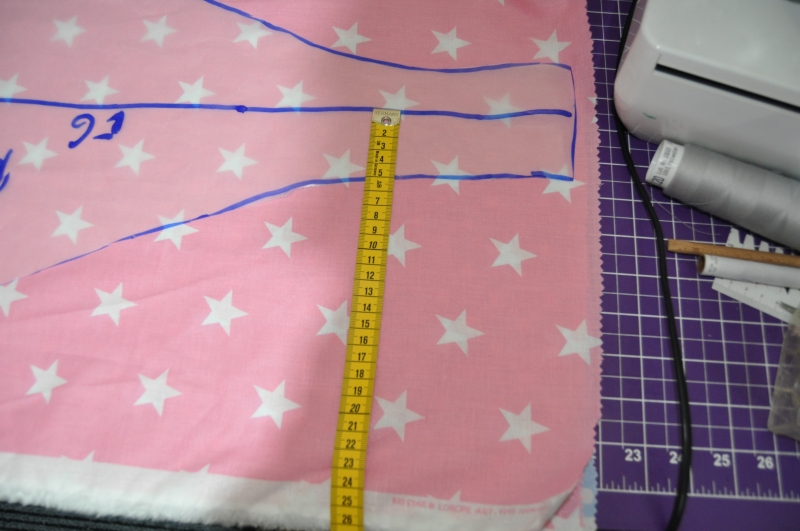 Here are two pictures showing how to determine the straight grainline when cutting out the fabric. At the bottom edge of the picture, you can see the selvedge; place the measuring tape there on the inside where the fabric begins and measure up to the marked grainline on the sewing pattern. Repeat this further up or down, depending on where you measured first, and the same measurement should show there. In my case, it is 24 cm, so my pattern piece is straight on the grain and can be cut out after pinning. Do this for every piece you want to sew.













42 prizes / total value €300: 30×€5, 10×€10, 2×€25 – simply activate the newsletter. No purchase necessary. Unsubscribe at any time. Prizes are awarded as Crazypatterns shopping credit. Learn more