Quick to Target
Browse Categories
Community & Help

Tunisian Crochet Patterns – Dense, Textured Favorites

Enjoy the calm, even stitch look of Tunisian crochet and create fabric with beautiful texture. Show more
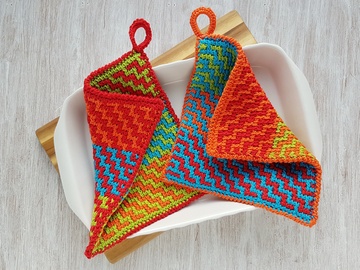
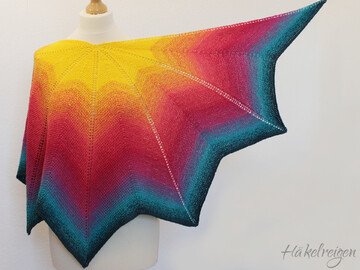
Enjoy the calm, even stitch look of Tunisian crochet and create fabric with beautiful texture. Find matching PDF patterns to download – from pot holders and pillows to shawls, scarves, and jackets. Browse designs that fit your style and your next project.

Tunisian crochet: Choose your stitch pattern, projects & technique with confidence

Tunisian crochet (also known in German as “tunesisches Häkeln”) combines dense, even fabric with interesting textures – from potholders and cushions to shawls, scarves and jackets. The stitch, shape and instructions for working the forward and return passes are key.

Quick choice
  • ✓Project type: Decide what you want to make, e.g. a potholder, cushion, jacket, shawl or scarf.
  • ✓Shape: For scarves and shawls, the shape may be indicated in the title – a “half-circle shawl” is semicircular, while a “3/4-circle shawl” has a more flared shape.
  • ✓Style & texture: Tunisian simple stitch has a smooth, dense appearance, while Tunisian knit stitch looks more like knitting.
  • ✓Finding your way: To compare options, use sorting options such as Best rating or popularity, as well as filters (e.g. ratings, price).
What to look out for
  • ✓Working method: Many projects are worked in forward and return passes (picking up loops, then working them off) – read the technique instructions if you’re new to it.
  • ✓Gauge swatch & sizes: For garments (e.g. jackets and vests), sizing information and a gauge swatch are essential for a good fit.
  • ✓Neat edges: An even foundation edge provides a stable start; chains worked too tightly can lack stretch.
  • ✓Curling: Tunisian crochet pieces tend to curl at the edges; edge stitches, a border, the right hook size or blocking (if recommended) often help.
Common pitfalls
  • ✓Starting too tightly: The fabric pulls in and becomes narrow at the edge – if necessary, make your foundation more loosely or use an alternative starting technique.
  • ✓Mixing up stitches: Tunisian simple stitch and Tunisian knit stitch produce distinctly different fabrics; check the stitch name before you begin and make a small swatch.
  • ✓Overlooking the return pass: If the final round/return pass is not worked correctly, the edges can look uneven and the height will be off.
  • ✓Shape takes time to emerge: With half-circle and 3/4-circle shapes, the final silhouette often only becomes visible after several increase rounds.
  • ✓Underestimating hook choice: Hooks that are too short or unsuitable can slow you down when working with many stitches; for guidance, see how to choose the right crochet hook.

Frequently Asked Questions

Yes, both terms refer to the same technique. Patterns often give stitch names in both German and English.

A Tunisian crochet hook is commonly used, often with an extended shaft or a cable (similar to a circular knitting needle). The length you need depends on the width of your project.

This is due to the stitch structure, which can create tension in one direction. Many patterns therefore use edge stitches or a border, or recommend blocking.

Names such as “half-circle shawl” (semicircular) and “3/4-circle shawl” (more flared) indicate the shape. You can also find details in the description and the increase instructions.

It usually means Tunisian simple stitch. It is a common beginner stitch and creates an even, dense-looking fabric.