Quick to Target
Browse Categories
Community & Help

Knit Potholder Patterns

Grippy textures, neat edges, and a practical hanging loop – these are potholders you’ll actually love using in your kitchen. Show more
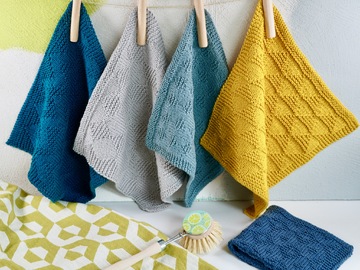
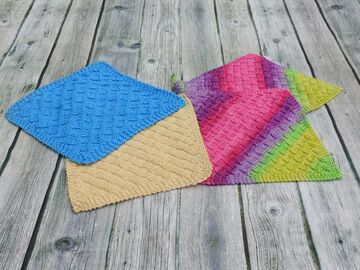
Grippy textures, neat edges, and a practical hanging loop – these are potholders you’ll actually love using in your kitchen. Browse digital PDF patterns from classic looks to paw shapes, with designs that can also work as dishcloths or washcloths. Explore motifs, shapes, and colors for your next quick knit project.

Knitting Potholders: Practical Kitchen Helpers with Style

Knitted potholders are quick to make, practical for everyday use, and perfect for trying out techniques such as double knitting or textured ribbing. Options range from classic flat shapes to mitt-style potholders and versions that also work as dishcloths or washcloths.

Quick choice
  • ✓Shape & Use: For a quick project, choose square or rectangular potholders with straightforward increases and decreases.
  • ✓Texture: Garter stitch or ribbing creates a grippy texture; stockinette stitch has a smoother look but can be thinner.
  • ✓Mitt-style potholders: If you prefer a mitt shape to a flat potholder, mitt-style potholders are especially practical.
  • ✓More inspiration: If you’re looking for more kitchen and home projects, take a look at Home & Decor or Coasters.
What to look out for
  • ✓Material: Cotton or another heat-resistant yarn is often recommended for potholders; synthetic fibers can melt at high temperatures.
  • ✓Size & Construction: Check the finished size in the pattern (often approximately 20 to 27 cm per side) and whether it is worked in one or two layers.
  • ✓Edging & Loop: Some designs have a crocheted edging or hanging loop; these sometimes use slip stitches.
  • ✓Yarn length: Check the yarn details in the pattern, such as 125 m per 50 g, so that the texture and thickness provide suitable insulation.
  • ✓Terminology: Some patterns use the English term “potholder.”
Common pitfalls
  • ✓Adjusting the size: Many adjustments involve changing the number of pattern repeats – compare the repeat instructions carefully with the stitch count and measurements.
  • ✓Additional yarn: You may need extra yarn for the edging, loop, or contrast color; the additional amount is usually listed in the materials list.
  • ✓Underestimating insulation: If your potholder seems too thin, two layers, a denser textured stitch pattern, or careful blocking according to the pattern instructions can help.
  • ✓Finding your pattern: If you’re unsure, use the help page on finding and downloading patterns to learn how to use filters and downloads correctly.

Frequently Asked Questions

Cotton is a common choice for handling heat in the kitchen because it is durable and easy to care for. Yarns with a high synthetic fiber content are less suitable because they can melt at high temperatures.

Not necessarily, but two layers or thick textured stitch patterns generally improve insulation. The key factors are what the pattern calls for and how thick your yarn is.

Use the measurements in the pattern as a guide, and consider whether you want to use the potholder as a trivet or to hold hot handles.

This usually indicates a crocheted edging or loop. You can often replace these steps with a knitted edge if the pattern allows alternatives.

That depends on the size, stitch pattern, and whether it is worked in one or two layers. Use the yarn amount given in your pattern as a guide; you often need to allow a little extra yarn for edging.