Quick to Target
Browse Categories
Community & Help

Kids’ Crochet Sweater & Poncho Patterns

Whether it’s a hoodie, a sleeveless sweater vest, or a drapey poncho – you’ll find the right PDF patterns for cozy everyday favorites here. Show more
Whether it’s a hoodie, a sleeveless sweater vest, or a drapey poncho – you’ll find the right PDF patterns for cozy everyday favorites here. Choose sporty shapes like raglan or classic set-in sleeves, then add color, texture, and a hood to match your style. Get inspired and start your next project.

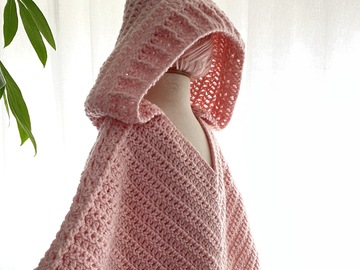
Bunny Poncho Pattern

from US $4.16

Penguin Sweater

(31)
Free pattern

Créme Brulee Hoodie

(39)
Free pattern

Pumpkin Sweater

(8)
Free pattern

Crochet sweaters for kids: From cozy to sporty

A handmade crochet sweater for a child should keep them warm, drape softly, and allow them to move freely. The patterns cover a wide range of designs, from baby to child sizes and from sweater vests and sweaters to loose-fitting ponchos, in a variety of sizes, shapes, and techniques. For more ideas for crocheting for kids, you can explore the relevant categories.

Quick choice
  • ✓Style: Raglan and round-yoke designs often look sporty and offer flexibility when getting dressed, while set-in sleeves have a more classic look; a poncho usually has a looser fit.
  • ✓Choosing a size: Compare the listed sizes (baby, child, unisex) with body measurements, not just age.
  • ✓Difficulty level: Labels such as “☆ Easy” help you gauge the work involved realistically.
  • ✓Comparison: Sorting options such as “Top Rated” or “Generally Popular” make it easier to narrow down your choices quickly.
  • ✓Matching pieces: If you’re looking for a set, it’s also worth browsing children’s clothing sets.
What to look out for
  • Gauge swatch: It’s essential—if your gauge differs, the finished size and often the amount of yarn needed will change.
  • Yarn specifications: Check the material and yardage as well as the recommended hook size so the sweater drapes as intended.
  • Stitches: Check for stitches used, such as double crochet (dc) and chains (ch), as well as techniques such as ribbing or textured stitch patterns.
  • Notions: Plan for closures such as buttons or a zipper, as well as stitch markers, from the start, and check whether quantities are listed for each size.
  • Openings: For sweater vests, the armholes and neckline are particularly important to ensure nothing feels restrictive.
Common pitfalls
  • Width vs. length: If the length fits but the width doesn’t, check the measurements and desired ease beforehand.
  • Gauge varies: If your gauge changes or you switch to yarn with a different yardage, the proportions and amount of yarn needed will change—measure your swatch again after washing it.
  • Textured patterns pull in: Post stitches can make the piece look narrower; it helps to read about post stitches and make a generous swatch.
  • Wrong hook size: If your stitches are too tight or too loose, guidance on choosing the right crochet hook can help.
  • Underestimating the difficulty: If labels such as “☆ Easy” are unclear, use Finding patterns made easy to better understand the filters and information.

Frequently Asked Questions

For a sweater vest, the length, armholes, and neckline are key. For a sweater, the shoulders and sleeve width and length also matter.

It’s a difficulty rating in the pattern that helps you filter projects to suit your experience level.

Use the pattern’s measurement chart (e.g., chest circumference, body length, sleeve length) and compare it with the actual body measurements and desired ease.

First, adjust your hook size or yarn and measure again. If your gauge still differs, recalculate the measurements using your gauge (stitches and rows per centimeter) before continuing.