Quick to Target
Browse Categories
Community & Help
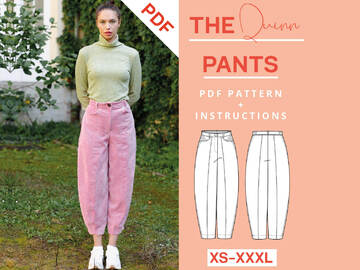
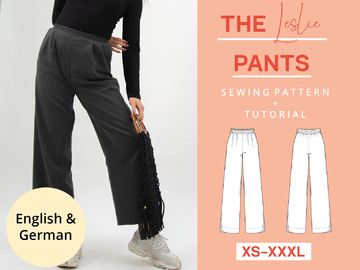
Women’s Pants Sewing Patterns

Sewn by you, women’s pants can fit exactly the way you want – from a relaxed elastic waist to a classic waistband. Show more
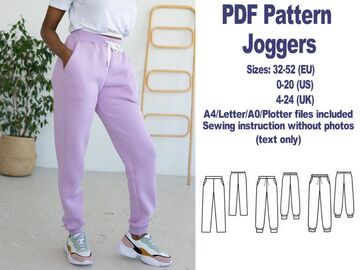
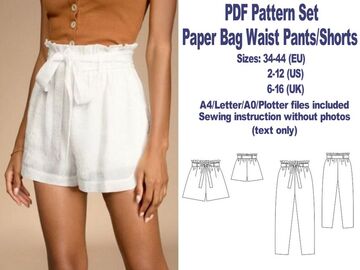
Sewn by you, women’s pants can fit exactly the way you want – from a relaxed elastic waist to a classic waistband. Browse matching PDF patterns and digital downloads for shorts, culottes, joggers, and more. Pick your style and start cutting your fabric right away.

Sewing women's pants: Ideas for every fit and style

A pair of handmade women's pants fits just the way you like it – from shorts and culottes to comfortable joggers. The cut, fabric and details all make a difference to the finished garment. If you're looking for a general introduction, the Getting Started guide can help too.

Quick choice
  • ✓Cut & style: Choose a style to suit your look, such as slim, wide-leg, culottes, shorts, paperbag pants or joggers.
  • ✓Waistband: Depending on the comfort and look you want, choose a contoured waistband, elastic waistband, knit band or drawstring casing.
  • ✓Details: Plan for a zipper or button, pockets, darts and pleats to suit your sewing skill level.
  • ✓Sizes & fit: Check the measurement chart for your waist and hips, and look for guidance on height and leg length.
  • ✓Alternatives: For very stretchy styles, you can also find inspiration in leggings.
What to look out for
  • ✓Fabric recommendations: Woven fabrics (such as denim, twill and linen) work well for classic pants; jersey and knit fabrics are ideal for comfortable styles – stretchy fabrics need stretchy seams.
  • ✓Stitches & seam finishes: A straight stitch is usually sufficient for woven fabrics; finish the edges as directed in the instructions (for example, with a zigzag stitch or serger).
  • ✓Sewing jersey: Use a zigzag stitch, stretch stitch or serger to keep seams stretchy.
  • ✓Neat topstitching: Visible topstitching will be more even if you keep the spacing consistent and often use a slightly longer stitch length.
Common pitfalls
  • ✓Ignoring the grainline or direction of stretch: This can cause the pant leg to twist later – mark the direction before cutting.
  • ✓Trying them on too late: Adjustments to the waist, hips or thighs become much more involved; try them on after basting or after the first test seam.
  • ✓Uneven hems: Measure both legs the same way, or they can easily look different lengths.
  • ✓Download problems: If files won't open, Downloading & unpacking can often help.

Frequently Asked Questions

It depends on the style: woven fabrics such as denim, twill or linen are often recommended for classic pants. Jersey or sweatshirt fabric is usually used for joggers and leggings.

No. Many pants can be sewn on a regular sewing machine; edges can be finished with a zigzag stitch or other seam finishes. A serger is especially useful for finishing edges neatly and quickly.

Use the pattern's measurement chart and measure your waist and hips. If you're between two sizes, it's often a good idea to choose based on the larger measurement and make adjustments if needed.

This varies by pattern. Check the instructions; if seam allowances aren't included, you'll need to add them when cutting out your fabric.

Many patterns have marked lines for shortening or lengthening. Alternatively, you can adjust the length at the hem – measure both pant legs the same way.