
You're probably familiar with this situation: you stumbled upon a crochet pattern for a super cute amigurumi and wanted to make it right away. So, you gathered everything you needed - the right yarn, a crochet hook, stitch markers, ... And then you got started, working through the pattern step by step.
You are finally holding your finished amigurumi in your hands; everything actually went smoothly while you were making it. You didn't skip a step, forget any stitches, or add extra ones - you followed the pattern exactly. Yet, you still feel that your amigurumi simply looks different from the one shown in the pattern.
Perhaps the head of your amigurumi is rounder somehow, or the limbs look longer. Maybe your amigurumi's expression simply isn't as friendly as the one in the pattern. Or perhaps the size of your amigurumi just differs from the size specified in the pattern.
But what is the reason for that?
Don't worry: this is completely normal. Crocheting is a true form of handcrafting. That is why no tow amigurumis can be 100 percent alike. Even if two people use the same yarn, the same crochet hook, and the same pattern, the resulting amigurumis will most likely show slight differences.
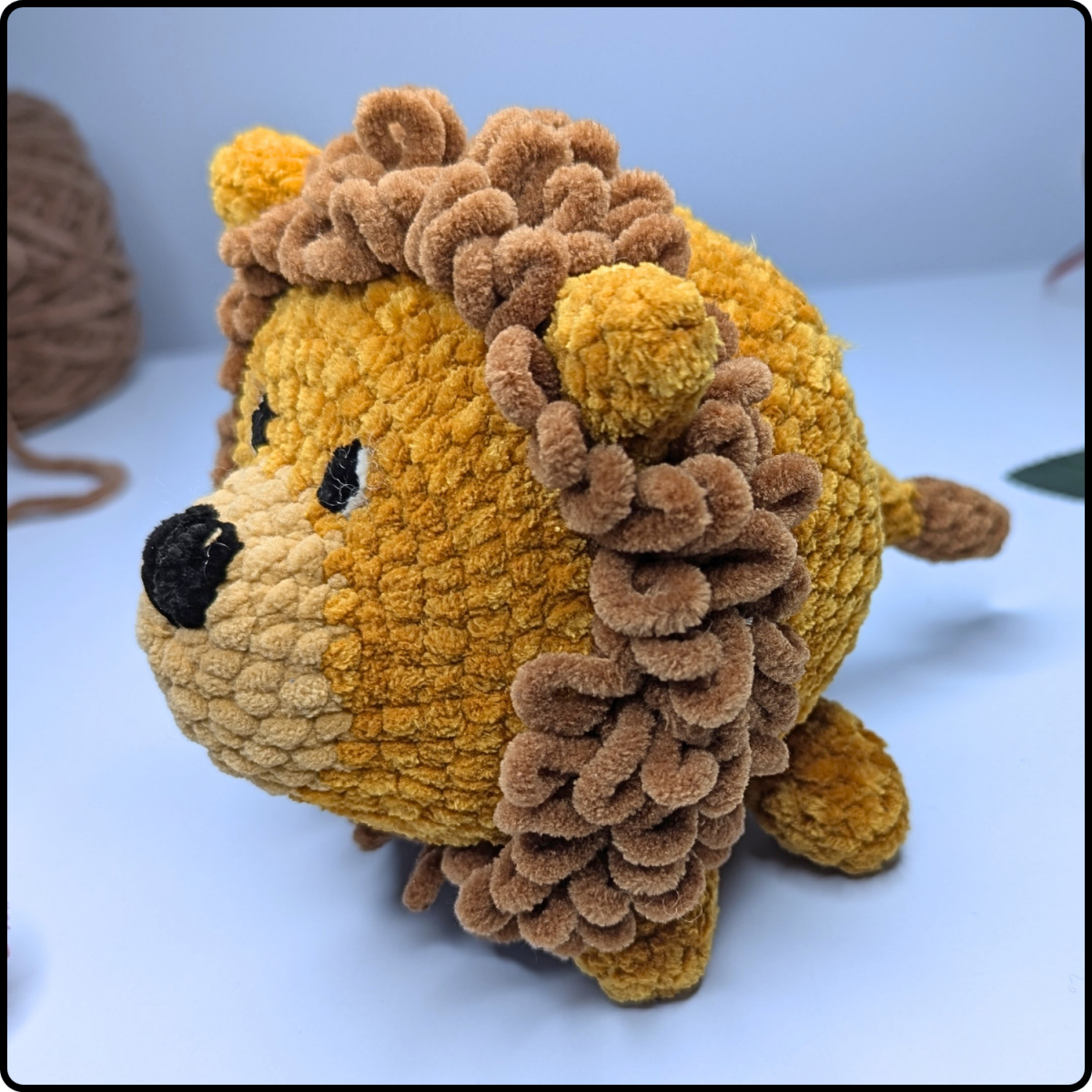
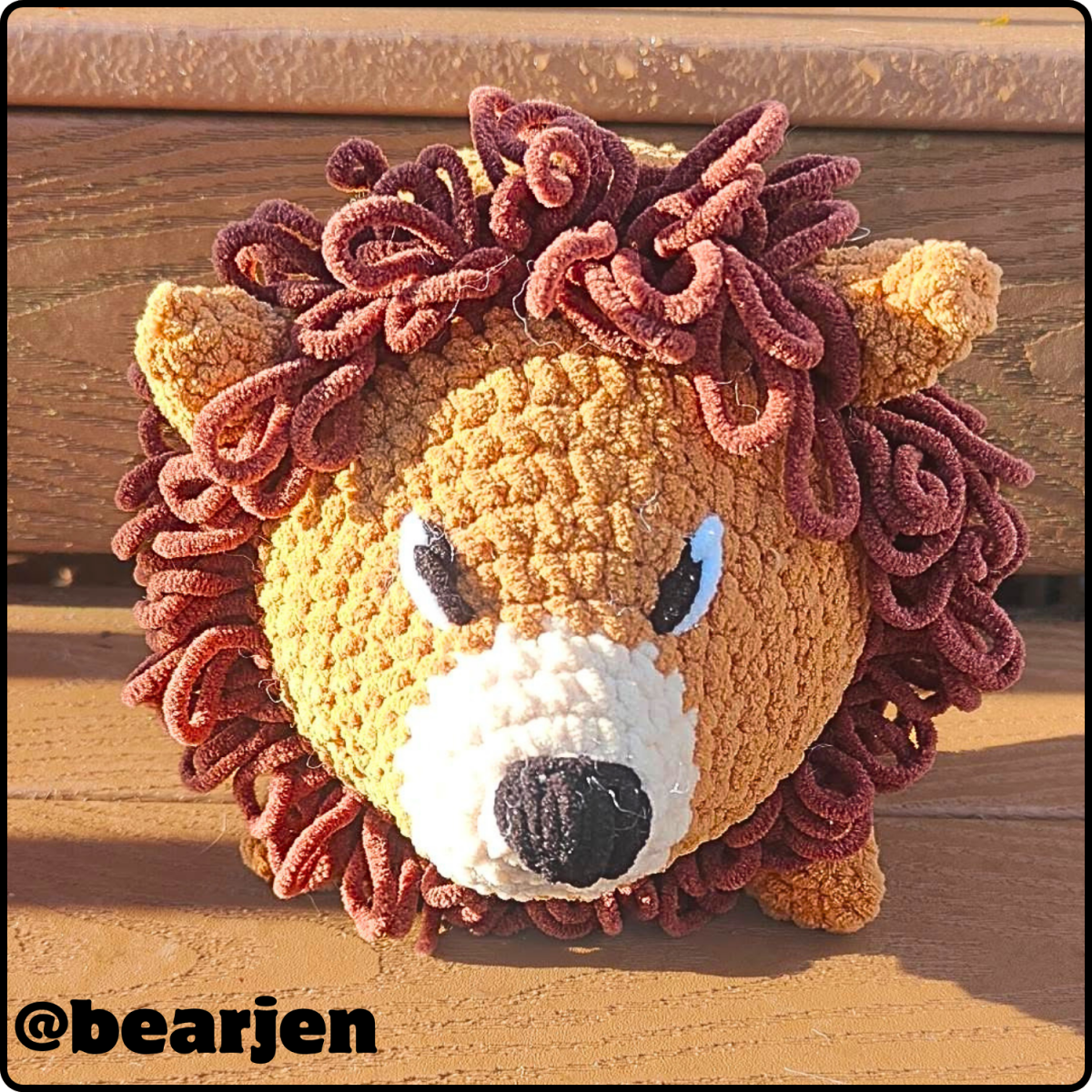
A crochet pattern is not a mold
The crochet pattern is designed to show you how to make a specific amigurumi. It tells you, for example, how to start, when to work increases or decreases, and where to make a color change. It also specifies how many rounds to work.
Nevertheless, you yourself are part of the process of creating an amigurumi. Unlike industrally manufactured products, the person wielding the hook plays a role in the process. The way you hold and guide the yarn and the hook is entirely individual; some people crochet very tightly, while others work more loosely. This gives every crocheted item its own unique character. With amigurumis in particular, even the slightest differences can make a big impact.
The Tension
One of the most important factors of crocheting is your personal tension. You may have watched someone else crocheting and noticed that they work much more loosely (or tightly?) than you do.
With a scarf or a blanket, this difference might not be all that noticeable. However, with an amigurumi, it can make a crucial difference.
Crocheting very tightly results in a more compact and firm piece, whereas an amigurumi made by someone with alooser tension will turn out larger and softer. Proportions can also appear different due to your tension; the stitch count alone does not determine the final look.
The Yarn
You don't always use the exact yarn specified in the crochet pattern for a project. This might be due to a personal preference for certain yarns or a desire to use up leftover yarn you already have on hand.
This is generally not a problem, though you shouldn't be surprised if the result looks different from the one in the pattern. For instance, if you prefer using cotton yarn for a pattern that recommends chenille yarn, the finished item will be firmer and less fluffy than the one shown in the pattern.
The size of the amigurumi is also directly influenced by the yarn used. If you use a thicker yarn, your amigurumi will turn out larger. Details may also appear differently depending on the yarn; small shapes and contours are usually more distinct with smooth yarn than with fluffy yarn.
So, it's only logical if your amigurumi doesn't look exactly like the original when made with a different yarn.
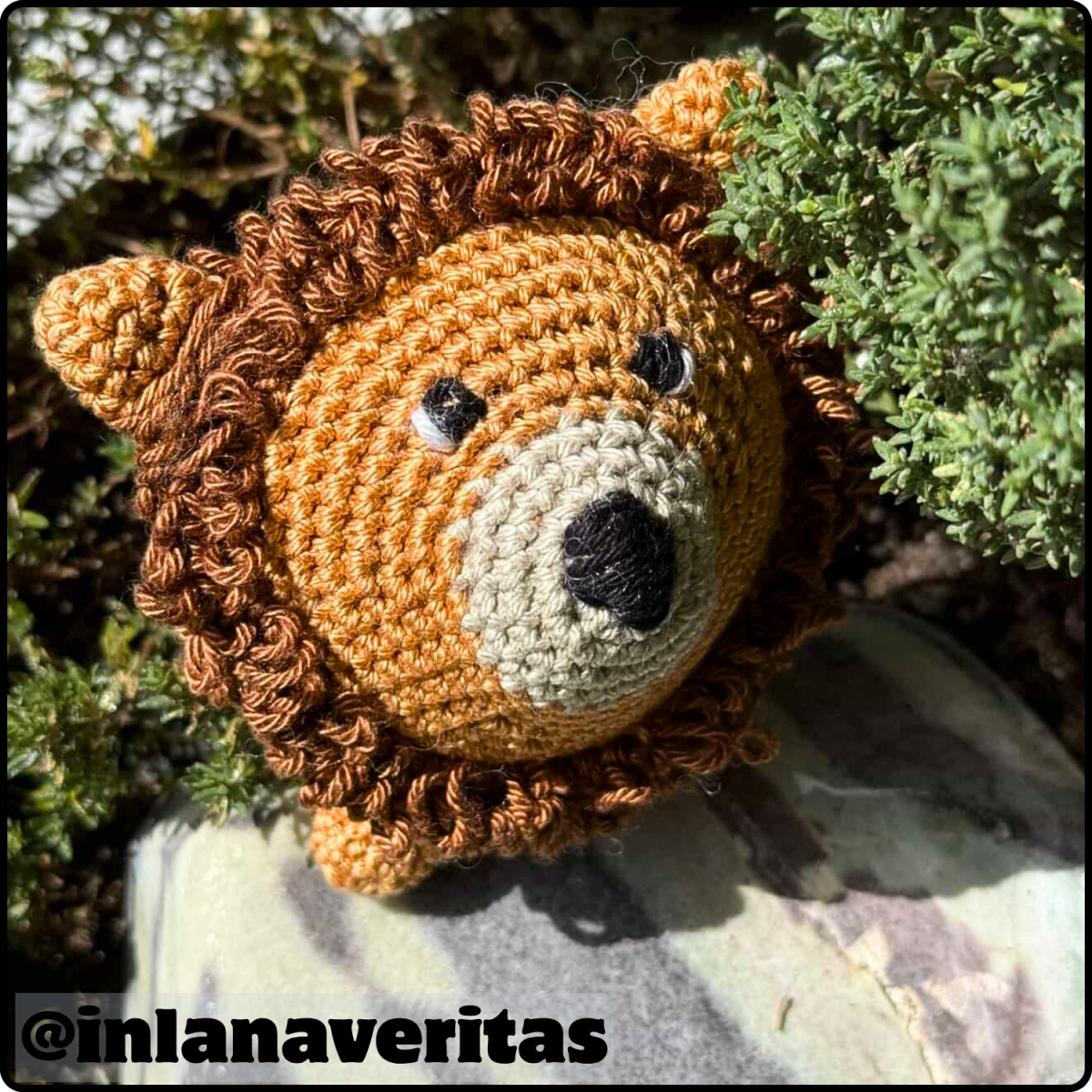
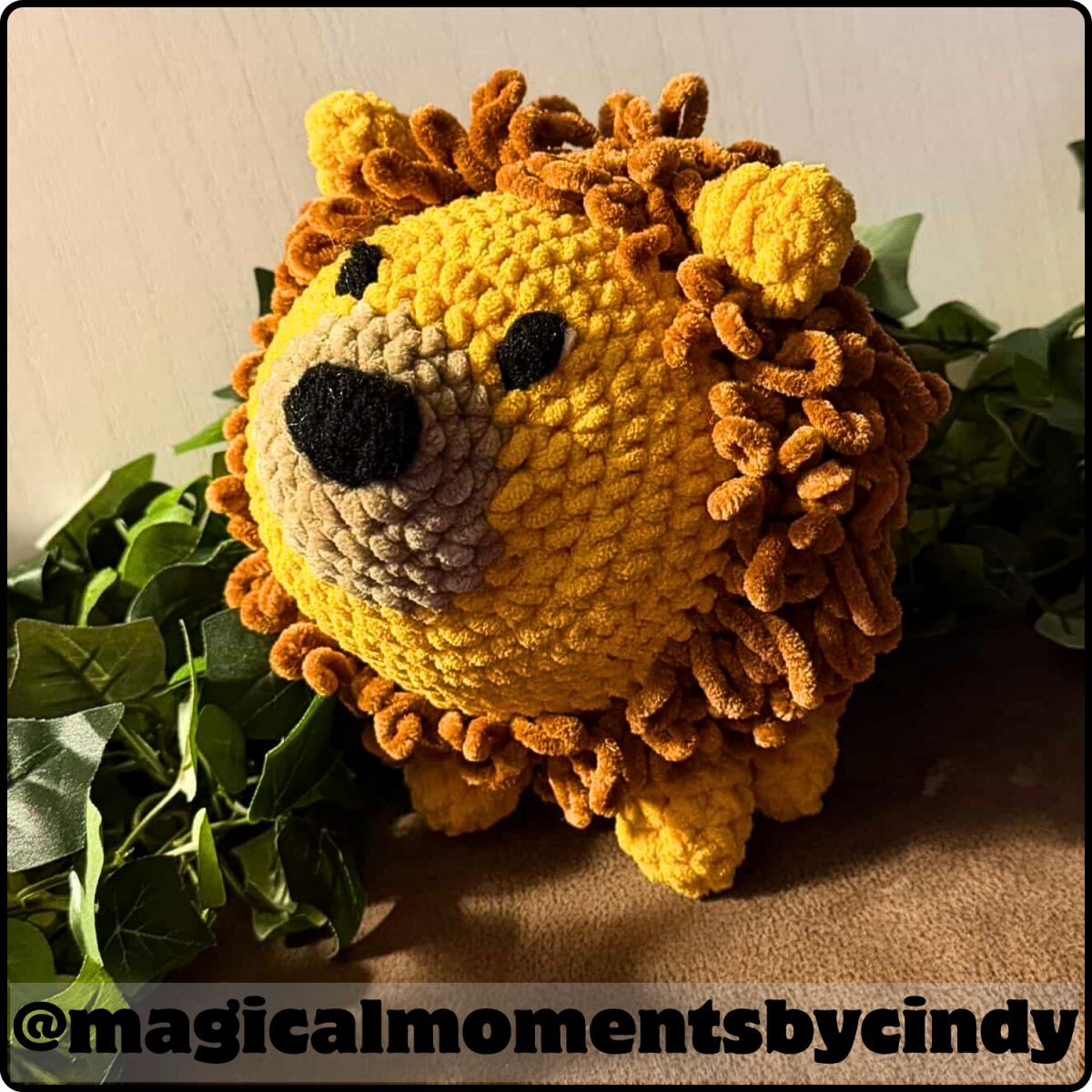
The role of the crochet hook
The hook size you use is closely linked to your choice of yarn. When making amigurumi, you generally want to crochet relatively tightly so that the stitches are as dense as possible and the stuffing doesn't show through later. The ideal hook size for this also depends on your personal crocheting style; the best way to figure this out is to experiment with different hook sizes.
The best way to find the right hook size is simply to try out different crochet hooks. If you notice that the gaps between your stitches are still too large, try a smaller hook.
The right amount of Stuffing
Stuffing is a significant - yet often underestimated - factor that influences the appearance of an amigurumi. Using the right amount of fiberfill allows you to shape the individual body parts.
For example, if you stuff a head only loosely, it will tend to be soft rather than plump and round - unlike when you stuff it very firmly. Firm stuffing ensures that the head becomes firmer and larger and holds its shape.
For this reason, it is worth taking the time to place the stuffing in the body parts section by section at the right spots, rather than simply stuffing it in thoughtlessly, so that you can shape the body exactly according to your vision.
The Assembly
Once you have finished crocheting all the individual parts, you still need to assemble them into the finished piece. And that is exactly what can dramatically change the look of your amigurumi.
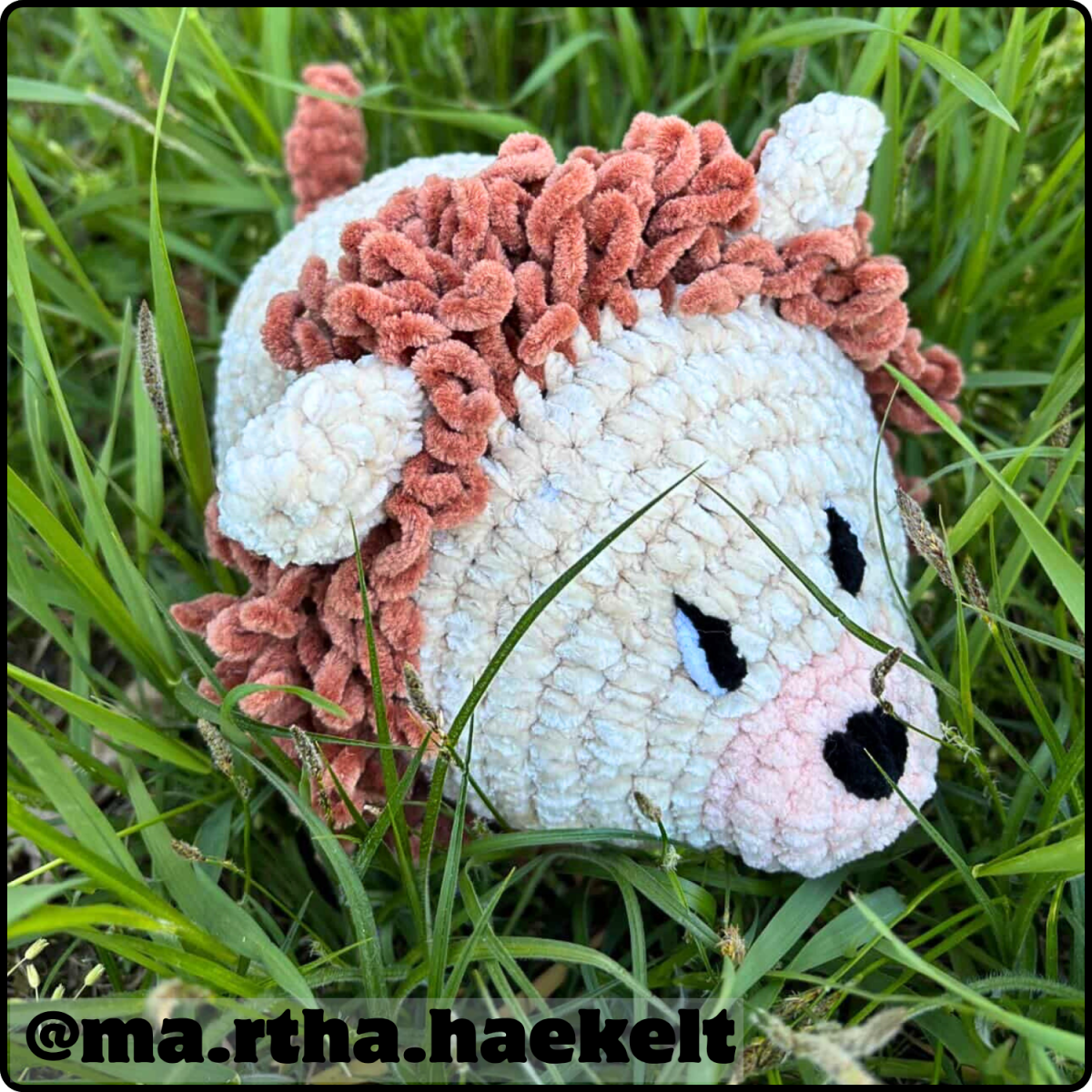
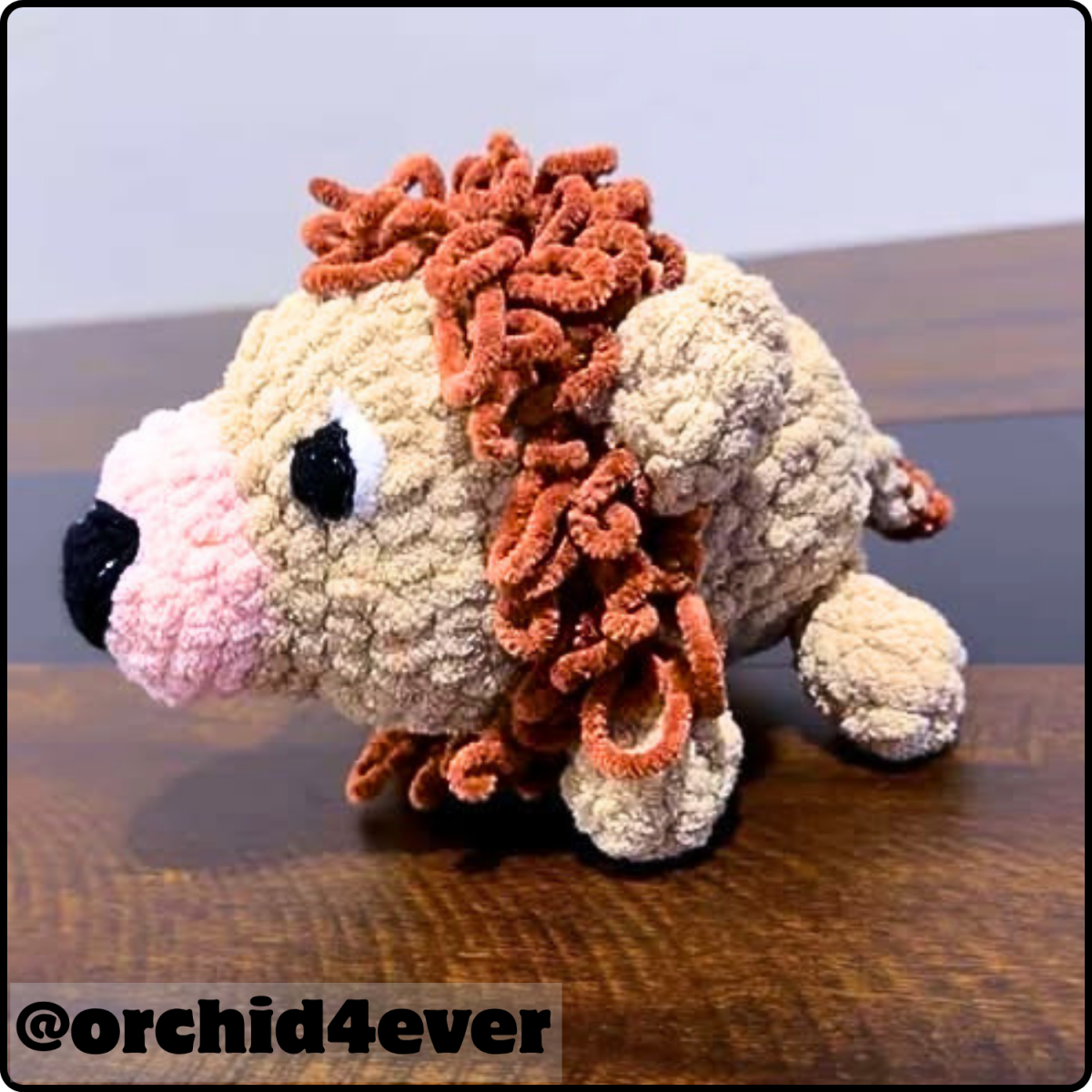
For instance, simply attaching the ears one row higher or lower than the pattern specifies can alter the overall look of your amigurumi. If both ears are positioned higher up, your amigurumi might appear more alert. The placement of other parts (such as arms or legs) can also significantly change your amigurumi's appearance.
For this reason, I recommend always securing the pieces to be attached with pins first. This allows you to examine your amigurumi closely from all angles before finally deciding on the right position.
Eyes and Faces
The eyes, mouth, nose and eyebrows make up only a small part of the entire amigurumi, yet they play a crucial role in defining its expression.
With safety eyes, a difference of even a single stitch in spacing can make a visible difference. eyes placed close together create a completely different look than those spaced far apart. The height or size of the eyes also influences the overall facial expression of your amigurumi.
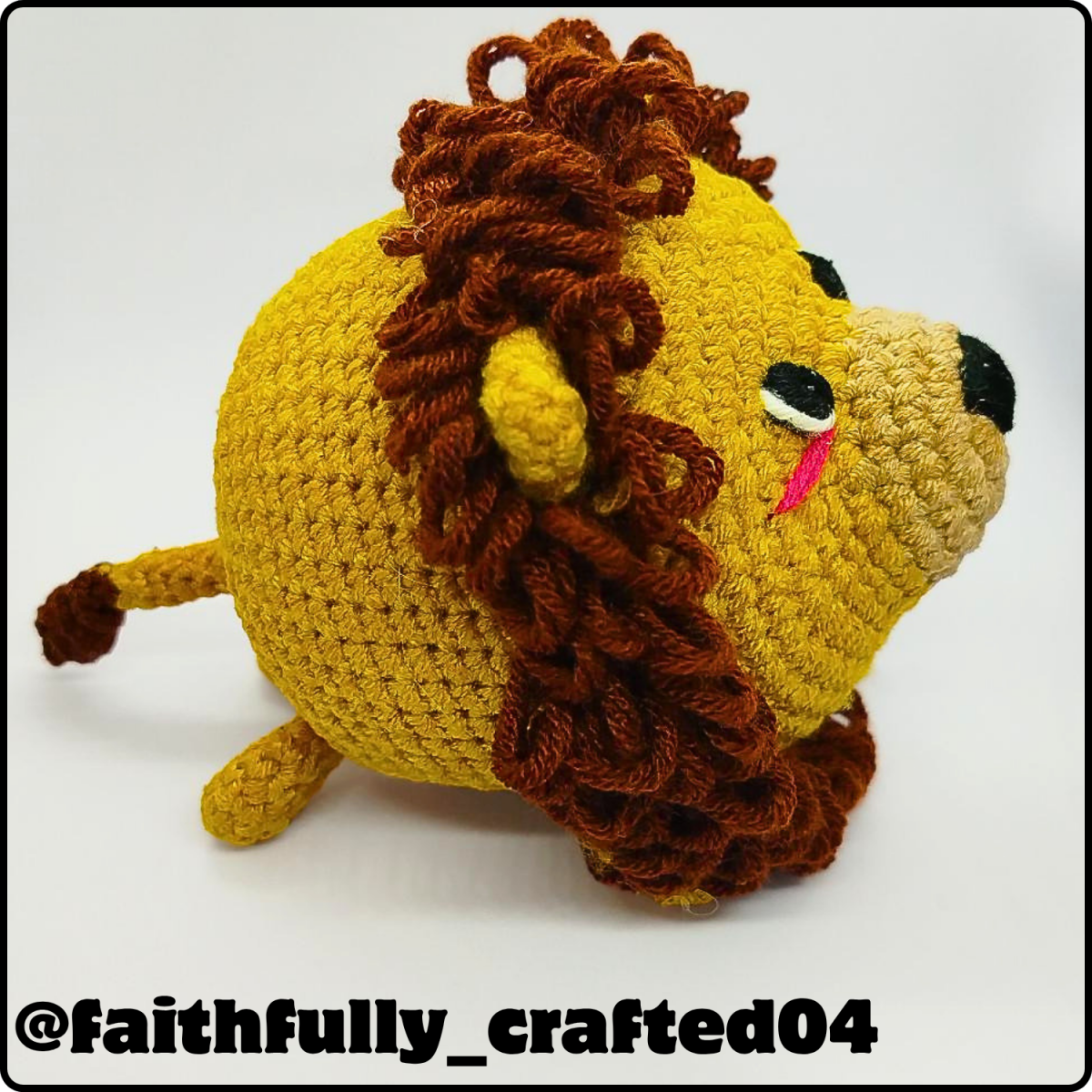
Embroidered facial details offer even more room for variation - as well as for your own creative touch. The placement of the eyebrows, nose and mouth can influence the facial expression just as much as a few embroidered highlights.
That is precisely why two amigurumis can look very different, but those differences make every amigurumi so unique and give them an individual character.
When is "different" actually an indication of an error?
Of course, this doesn't mean that every variation in the result is simply due to your personal crochet style. If the proportions differ significantly from the photos in the pattern, it is worth taking a closer look. Check whether you have correctly executed all the increases and decreases and ensure that all the body parts are positioned exactly where indicated.
It is best to check each intermediate step as you work through the instructions if you are still unsure. If the stitch and round counts are correct, that is a good sign.
Different does not mean wrong
If your amigurumi doesn't look exactly like the one in the crochet pattern photo, it doesn't automatically mean you did something wrong.
Do you like your finished piece, its shape and its facial expression? Then it is allowed to look exactly the way it does.
For even when we crochet the same stitches following the same pattern, the result is always a unique amigurumi - and that's exactly what makes every piece so special.
PS: All pictures in this article show the results from the testers of my pattern "Ball Lion Loma".


