
Crochet is a creative and relaxing craft that allows you to make everything from garments to home decor and amigurumi. However, both beginners and experienced crocheters often run into common mistakes that can affect the final result.
The good news is that most of these issues are easy to prevent - once you know what to look for. In this guide, we’ll explore the most common mistakes while crocheting and how to avoid them so your projects turn out just the way you want.
1. Inconsistent or incorrect tension
Maintaining even tension is one of the biggest challenges in crochet. If your stitches are too tight, your fabric becomes stiff; if they’re too loose, your project may look uneven or floppy. Uneven tension is especially noticeable in larger projects.
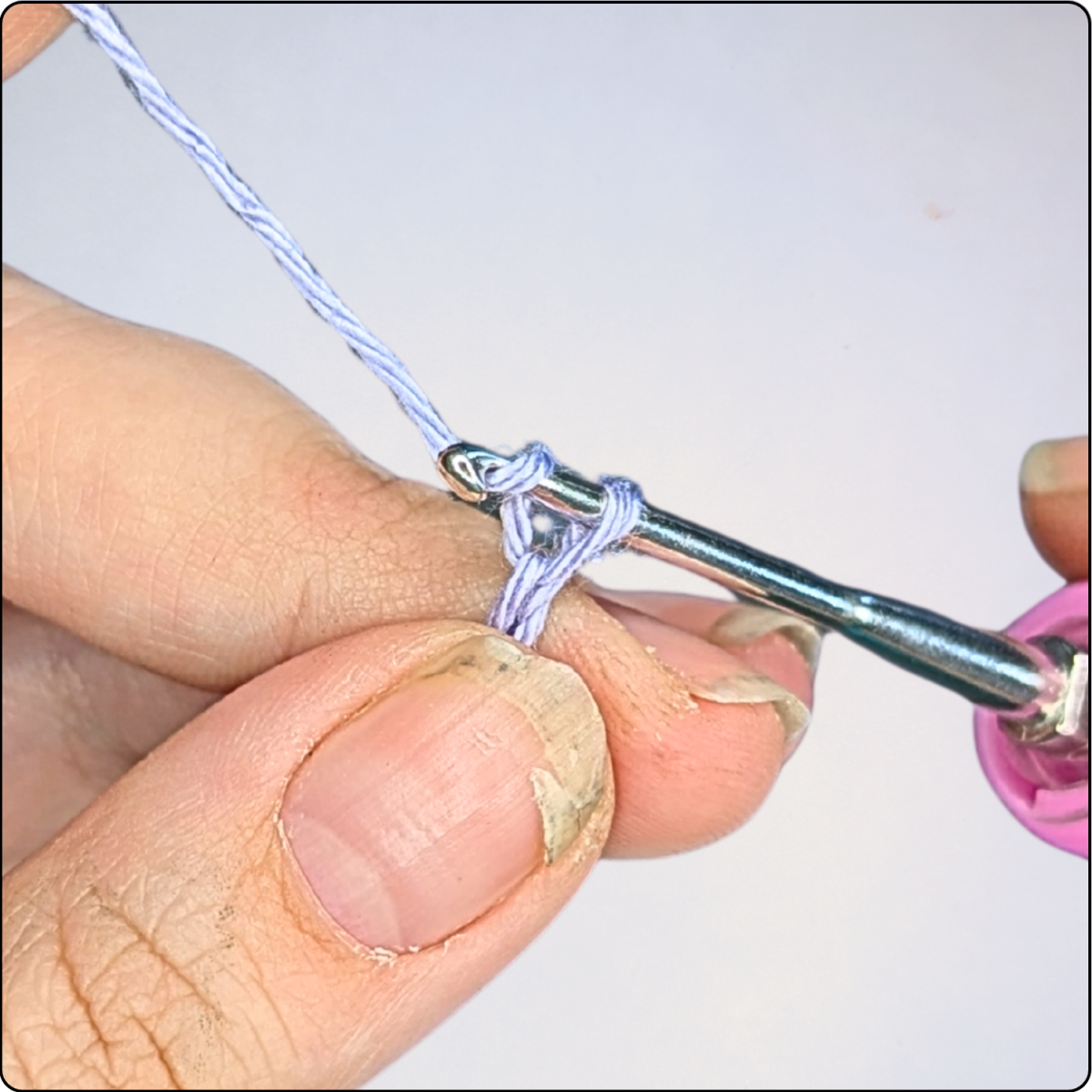
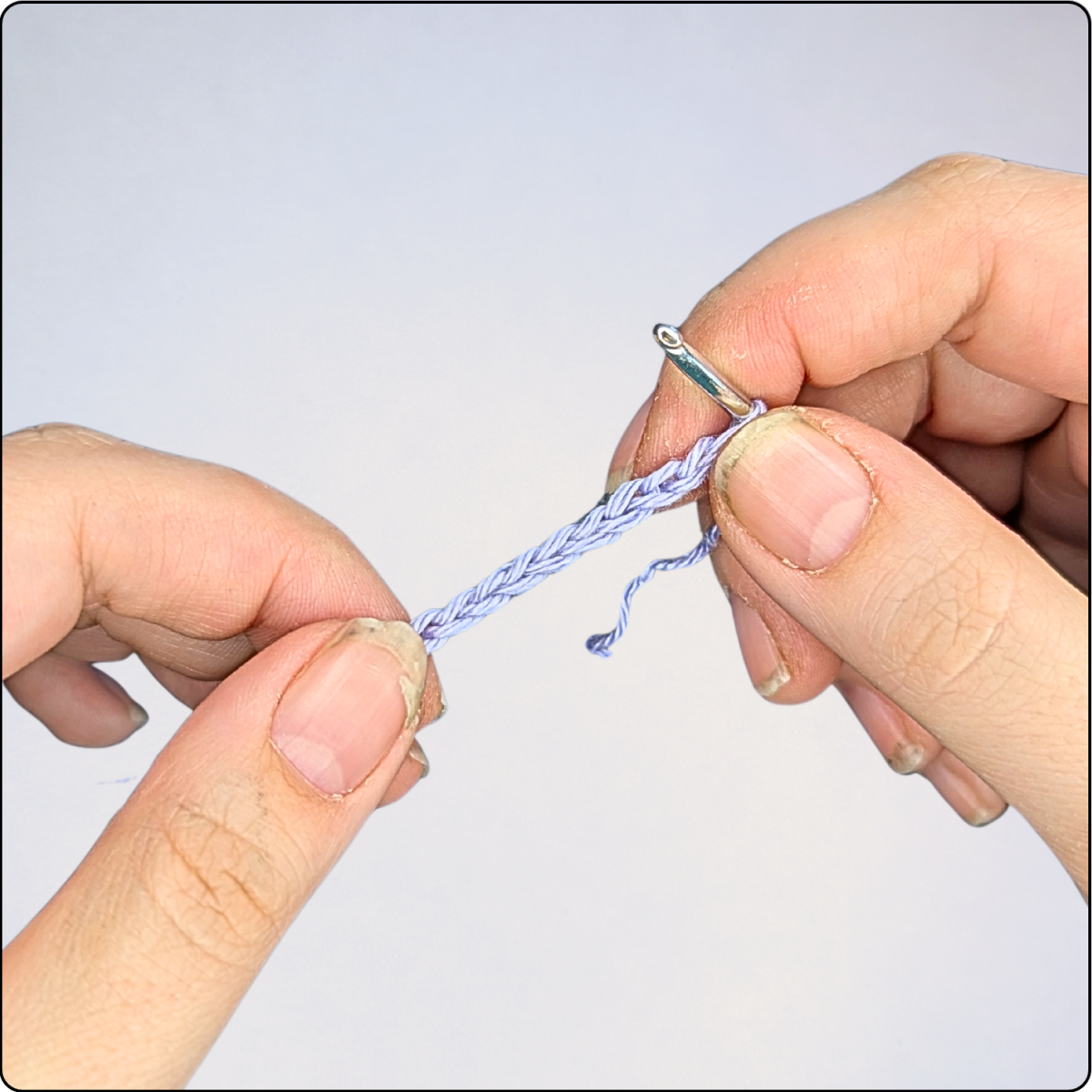
You can already see how important proper tension is when crocheting a simple chain.
If your tension is too loose, the result will be a very uneven stitch pattern - each chain stitch will vary in size:
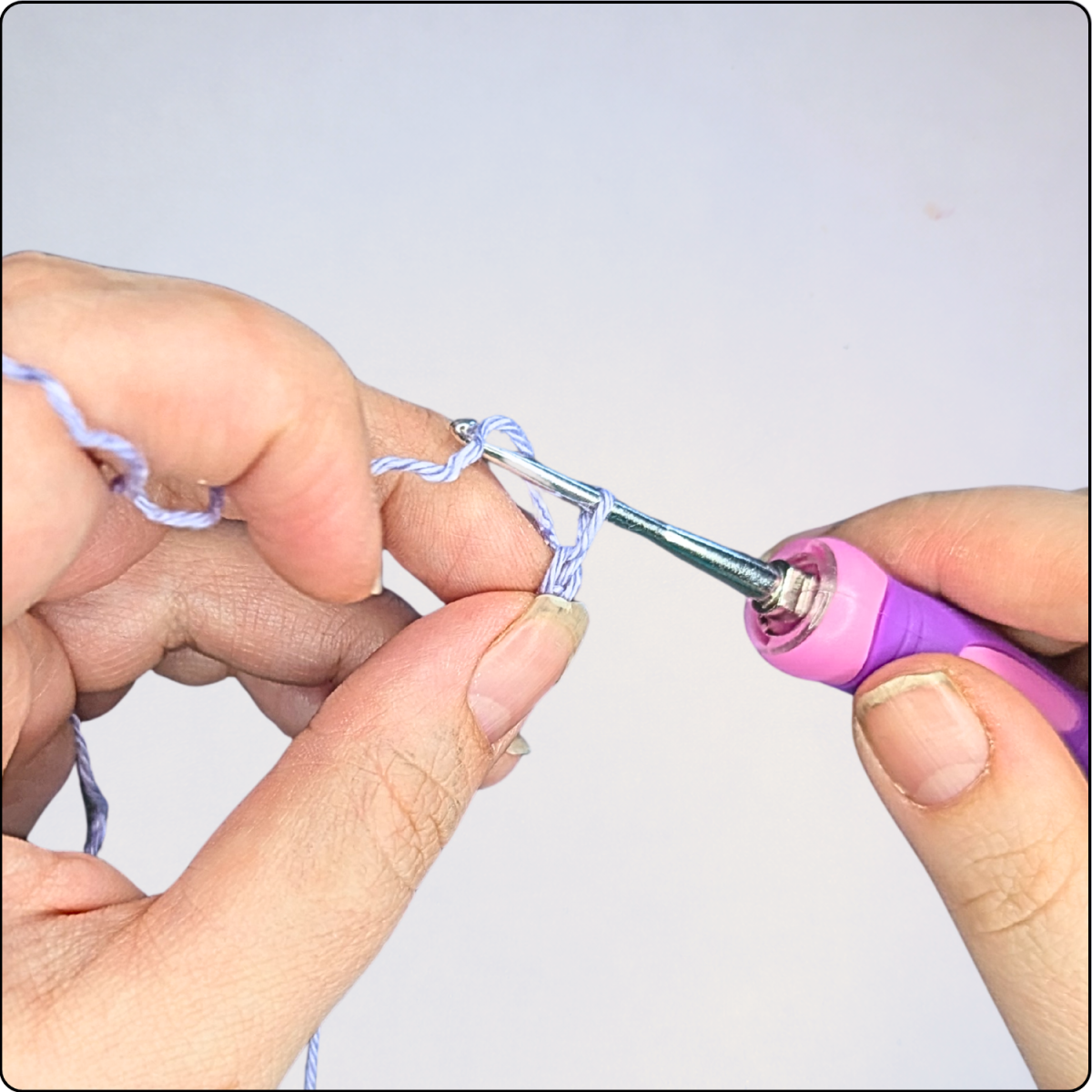
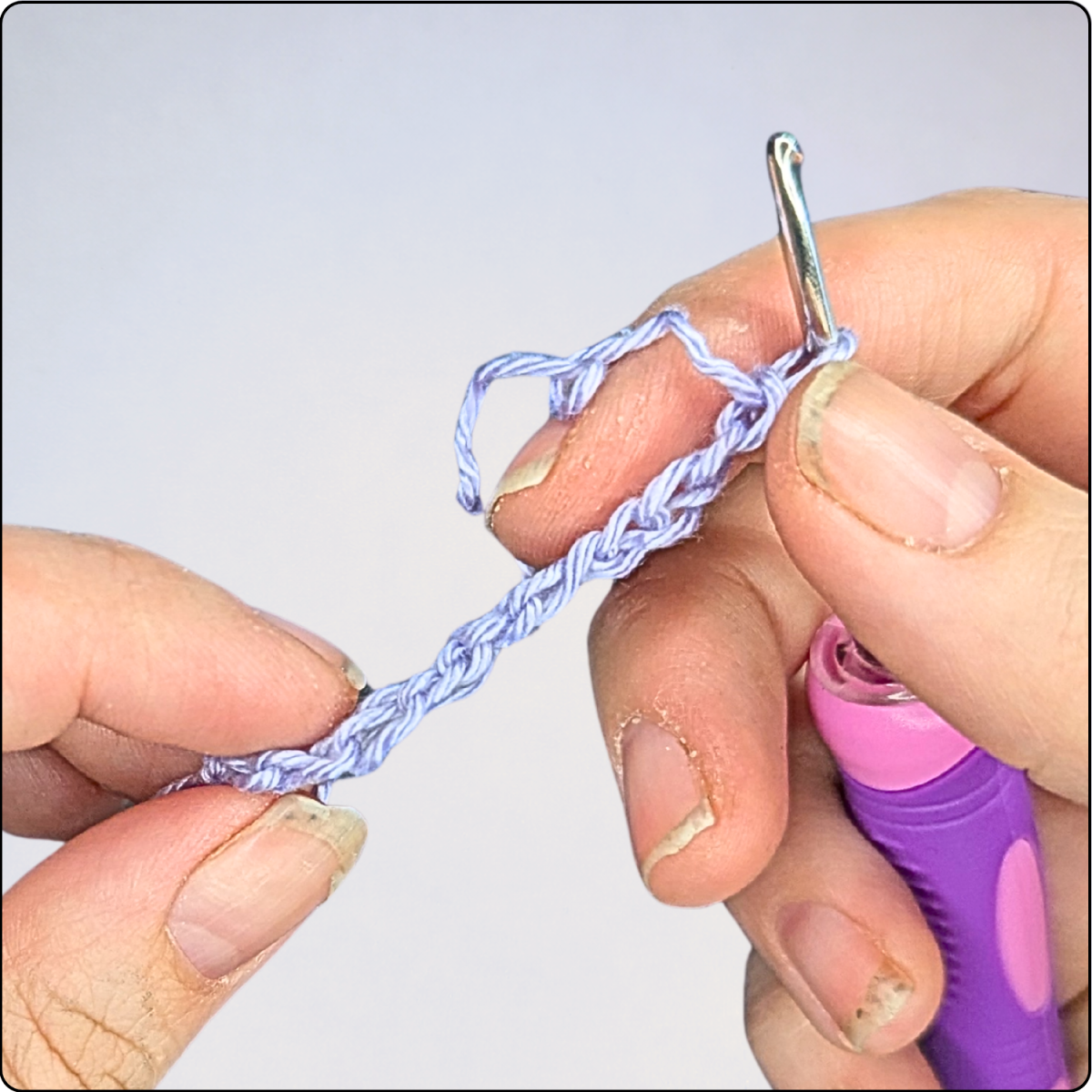
If your tension is too tight, your stitches may look fairly even, but it becomes difficult to insert your hook into the stitches. This can lead to unnecessary strain and cause your hand muscles to fatigue more quickly.
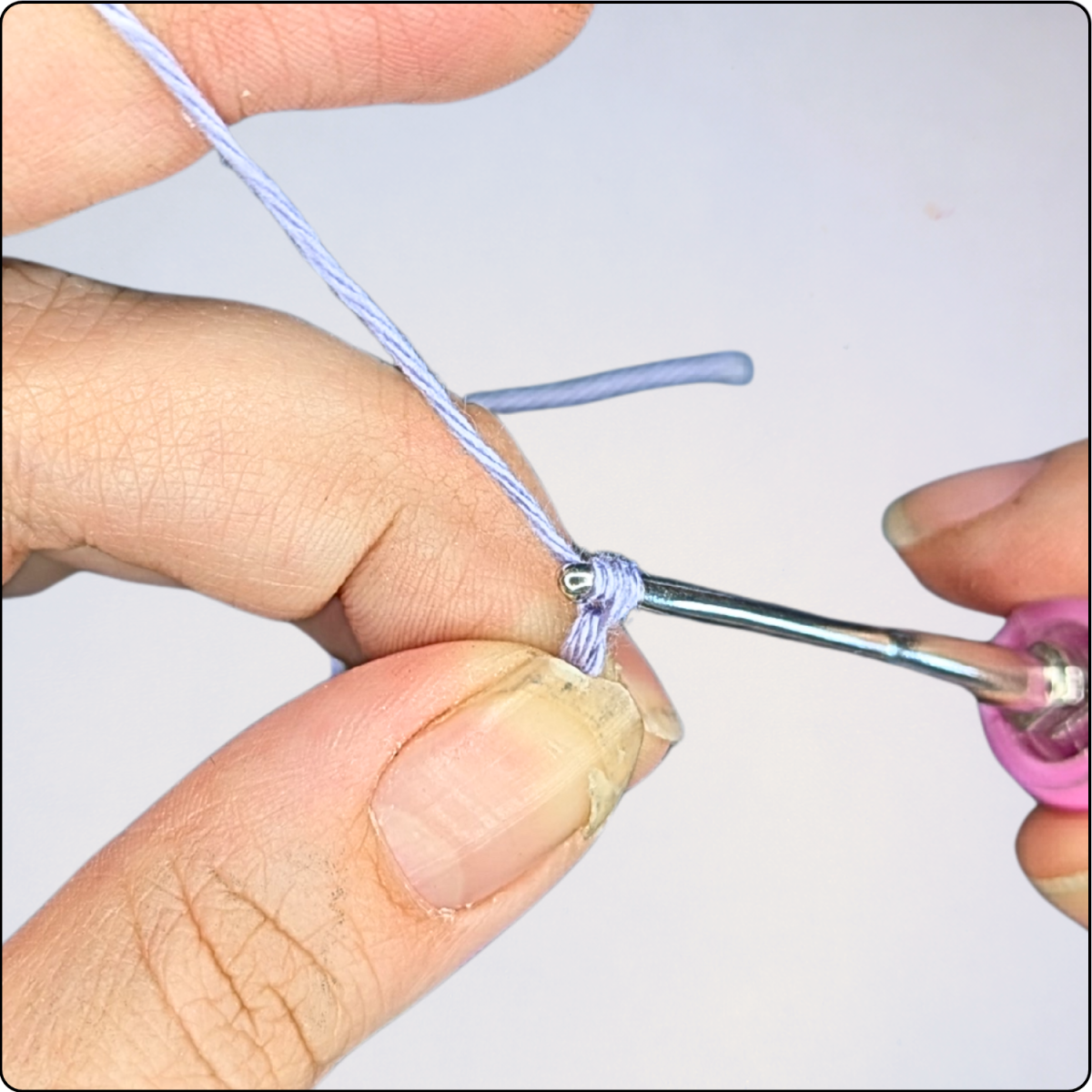
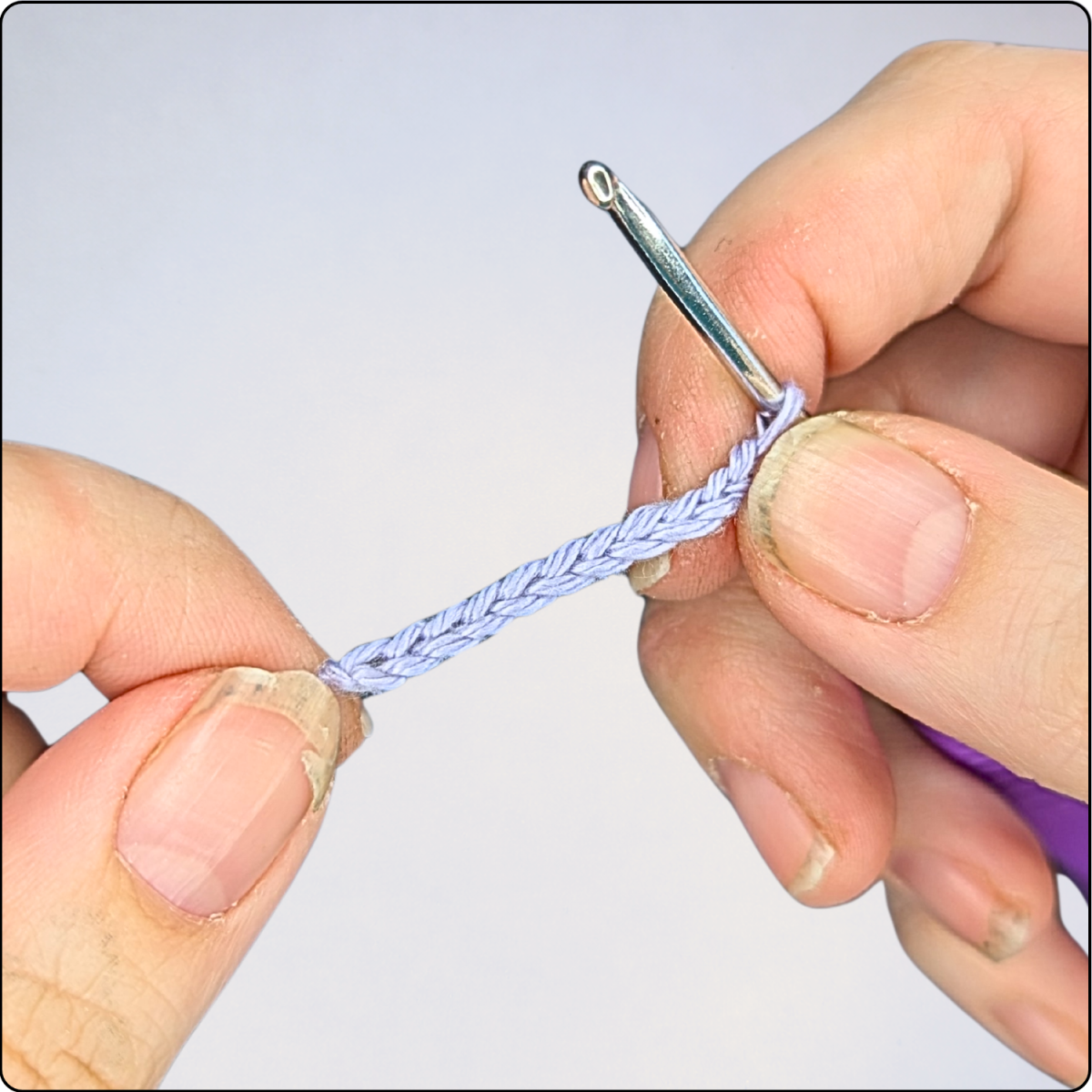
Aim for consistent tension that is neither too loose nor too tight. You should be able to insert your hook into the stitches without effort and create an even, uniform stitch pattern in the end.
Tip: Try to hold and guide your yarn the same way throughout your project. Make sure the yarn stays gently tensioned, but avoid pulling your stitches too tight so you can continue working into them easily.
2. Using the Wrong Hook Size
The choice of crochet hook has a significant impact on your final result. A smaller hook size creates tighter, more compact stitches, while a larger hook size makes your project looser and potentially less stable.
The following image shows two small crochet swatches made with exactly the same number of stitches and rows, using the same yarn. The swatch on the left was made with a 2.5 mm hook, while the one on the right was made with a 3.5 mm hook:
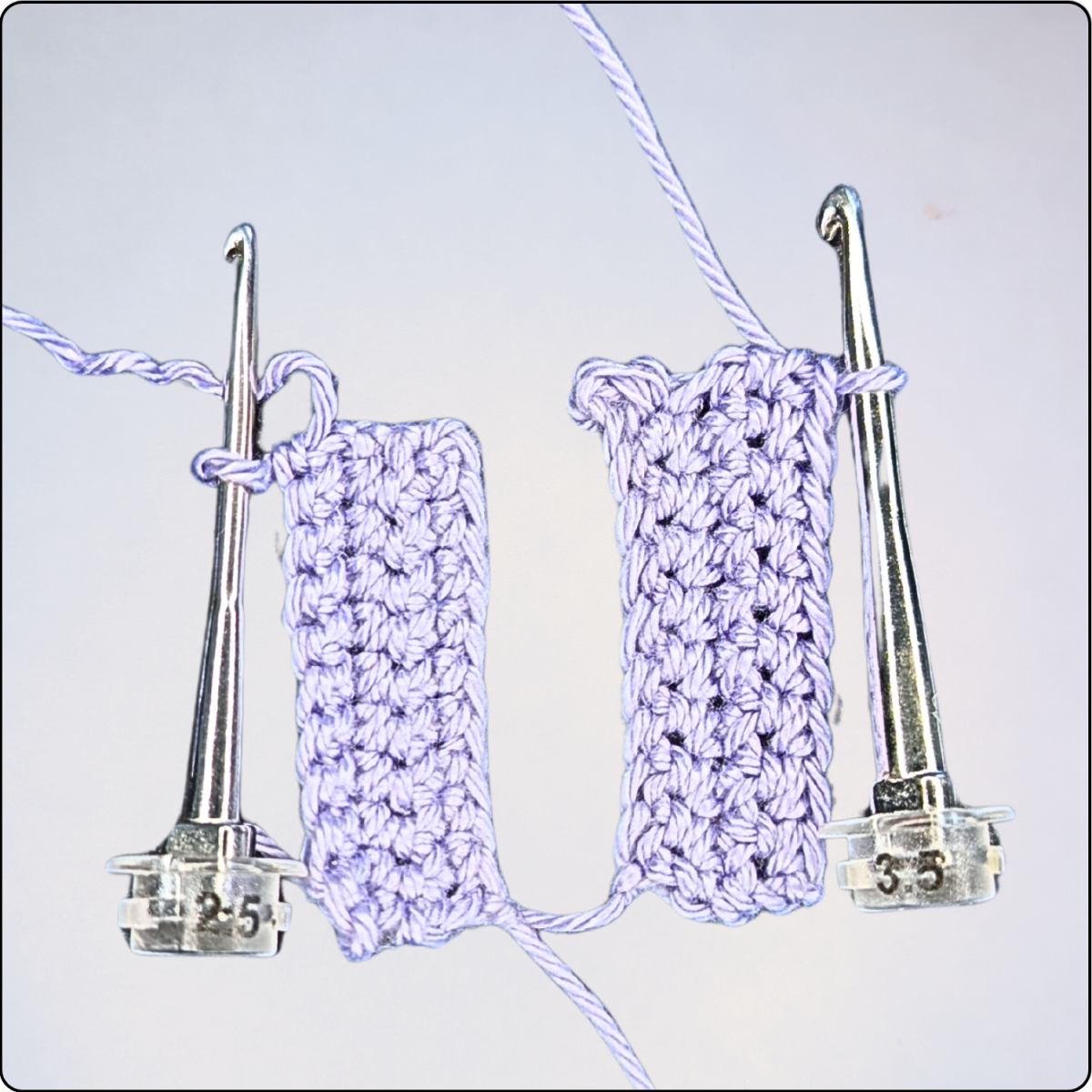
While the piece on the left appears smaller, very tight, and without visible gaps, the piece on the right has a much looser stitch definition.
Tip: To choose the right hook size, follow the recommendations on your yarn label. For amigurumi, it’s best to use a smaller hook size, as a tight stitch pattern is essential. Making a gauge can also help you determine the correct hook size. If your stitches are too loose, try using a smaller hook; if they’re too tight, switch to a larger hook.
3. Not Counting Stitches Regularly
A common mistake that often goes unnoticed until it’s too late: your stitch count is off. Missing or adding even a single stitch can cause your project to become uneven or lose its intended shape.
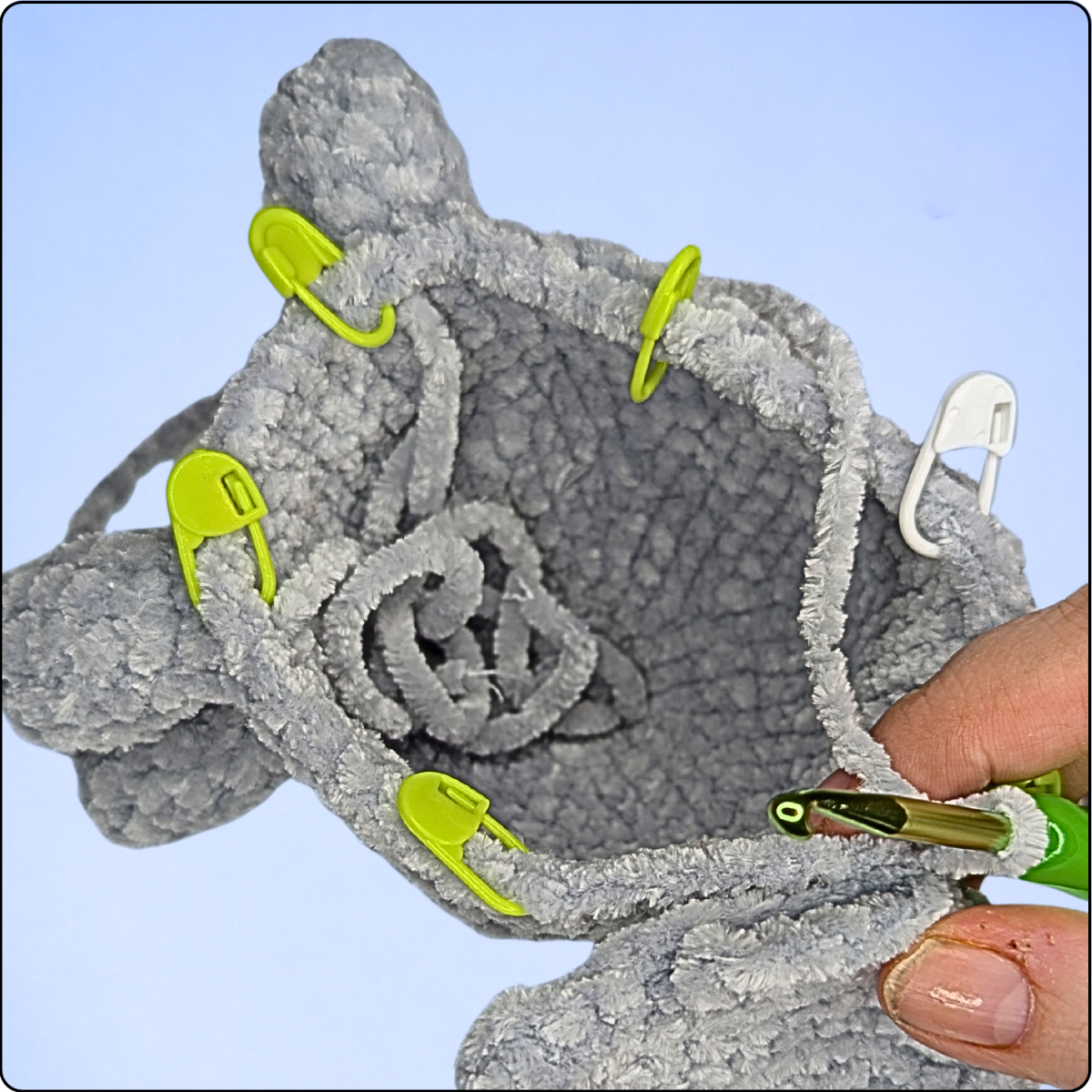
Tip: Count your stitches regularly. Especially in long rows or rounds - and particularly when working in continuous rounds - stitch markers are your best friends. For larger stitch counts, it helps to place markers at regular intervals. Personally, I like to use them once I reach around 30 stitches, placing them every 6–12 stitches depending on the pattern.
4. Skipping or Misunderstanding Turning Chains
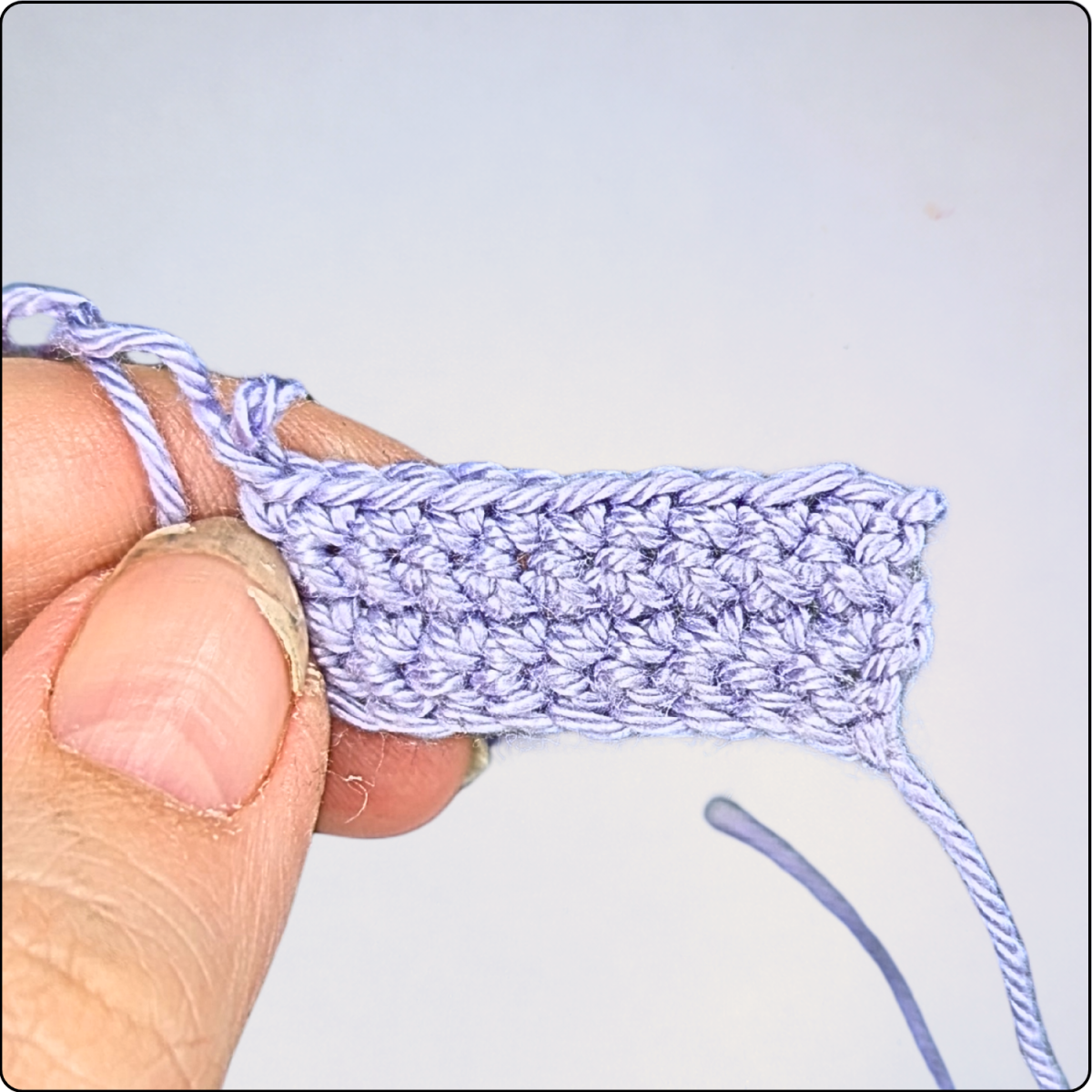
Turning chains are easy to overlook or be mistakenly counted as a stitch. This often causes the edges to become uneven or distorted. In the image below, you can see what happens when the turning chain is simply skipped in a row of single crochet:
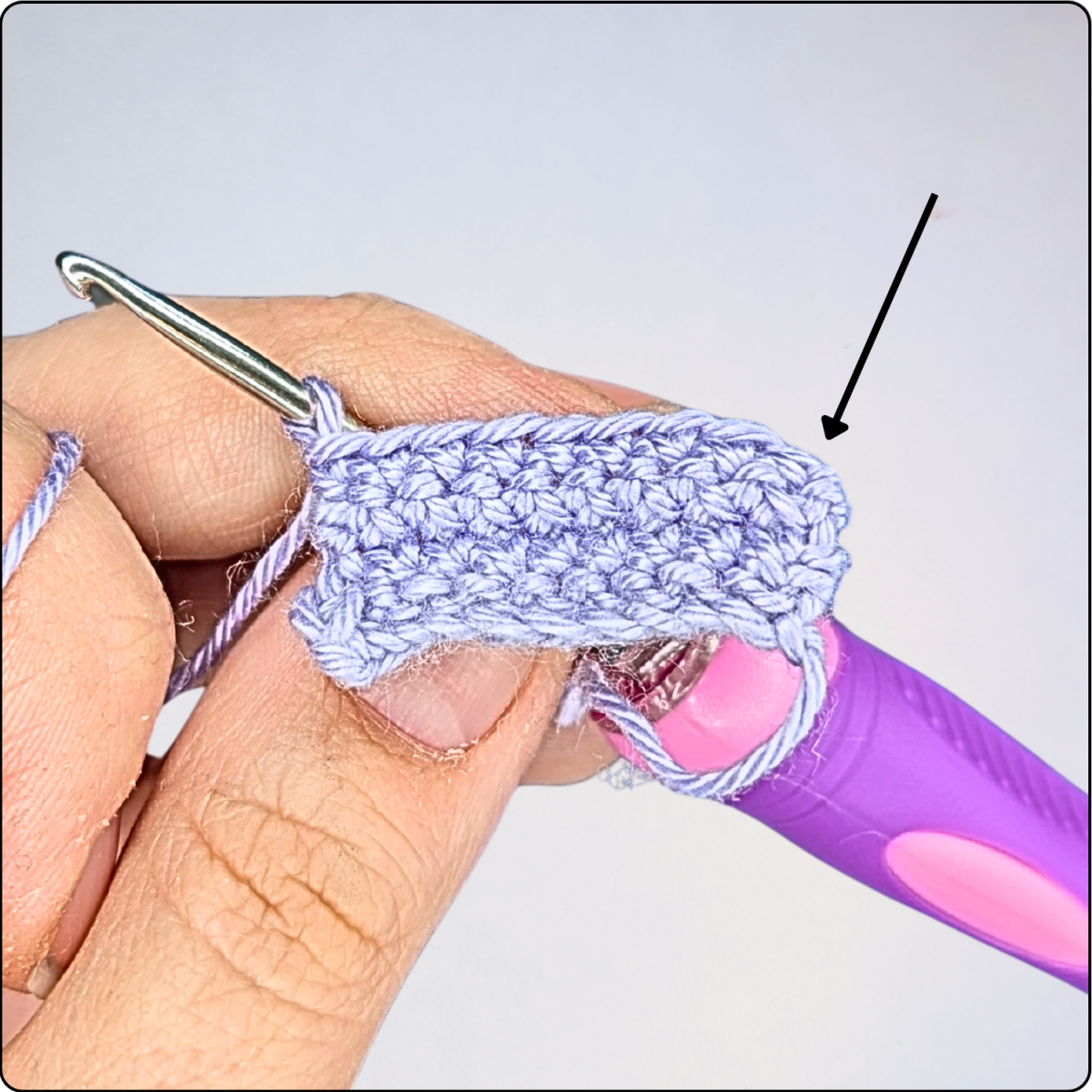
The piece begins to warp due to the missing chain, and the corner becomes rounded. The more turning chains are skipped, the more the project will distort.
Tip: When working in rows or joined rounds, always use the correct number of turning chains and mark the beginning of each row or round with a stitch marker. As a general rule, you can use the following guidelines for turning chains:
| Stitch type: | Turning chains: | |
| single crochet | - | 1 |
| half double crochet | - | 2 |
| double crochet | - | 2 |
| treble crochet | - | 3 |
5. Not Reading the Pattern Thoroughly
Many mistakes happen because you jump straight into crocheting without reading the pattern all the way through first. As a result, important notes, special techniques, or changes in the pattern can easily be overlooked. This can lead to confusion later on or even force you to undo sections you’ve already completed.
Especially in more complex projects, the individual steps often build on each other. Without understanding the overall structure, it becomes much harder to follow certain instructions correctly.
Tip: Read through the entire pattern before you begin to get a clear overview of the process. You may also want to highlight important sections or notes so you can easily keep track as you work.
6. Using the Wrong Yarn
Choosing the right yarn is often underestimated, but it has a major impact on your entire crochet project. Different yarns behave very differently: while smooth cotton yarn creates clean, well-defined stitches, fuzzy, fluffy, or very dark yarns can make it much harder to see individual stitches. This can quickly lead to mistakes - especially if you’re still a beginner.
Yarn weight also plays an important role. Using yarn that is too thick or too thin can significantly affect the size and shape of your project. In addition, the fiber type (such as cotton, acrylic, or wool) influences how sturdy, elastic, or shape-retaining your finished piece will be.
Tip: Choose a yarn that matches your pattern and suits your project goals. For beginners, smooth and light-colored yarns are ideal, as they make it easier to see your stitches. If you change the yarn or hook size, it’s a good idea to make a gauge to better estimate the final result.
7. Crocheting Without Focus
A common but often overlooked mistake is a lack of concentration while crocheting. Especially when working on simple or repetitive patterns, it’s easy to crochet “on autopilot” - which can lead to inserting your hook incorrectly, missing steps, or unintentionally changing your tension.
The problem is that these small mistakes often go unnoticed until much later, which may mean having to undo entire sections of your work. This is particularly true for more complex projects or when working in rounds, where even a brief lapse in focus can noticeably affect the final result.
Tip: Try to stay mindful and focused on your work - especially when learning new patterns or working on important sections. If you notice your concentration slipping, it’s better to take a short break. This will help you work more accurately and avoid unnecessary mistakes.
8. Ignoring Mistakes Instead of Fixing Them
At first, a small mistake may not seem like a big deal - especially when you’re eager to keep making progress and don’t want to undo your work. However, this is exactly where the problem lies: what seems minor at first can become much more noticeable as you continue, ultimately affecting the overall appearance of your project.
This is especially true in patterns, increases and decreases, or when working in rounds, where mistakes can “carry through” and cause the shape to become uneven or distorted. Often, the error only becomes visible after several more rows have been worked, making it much more time-consuming to fix.
Tip: Get into the habit of checking your work regularly and correcting mistakes early. Even if it feels frustrating, undoing stitches (frogging) is a natural part of crocheting - and it will lead to a much cleaner and more polished final result.
9. Not Weaving in Ends Properly
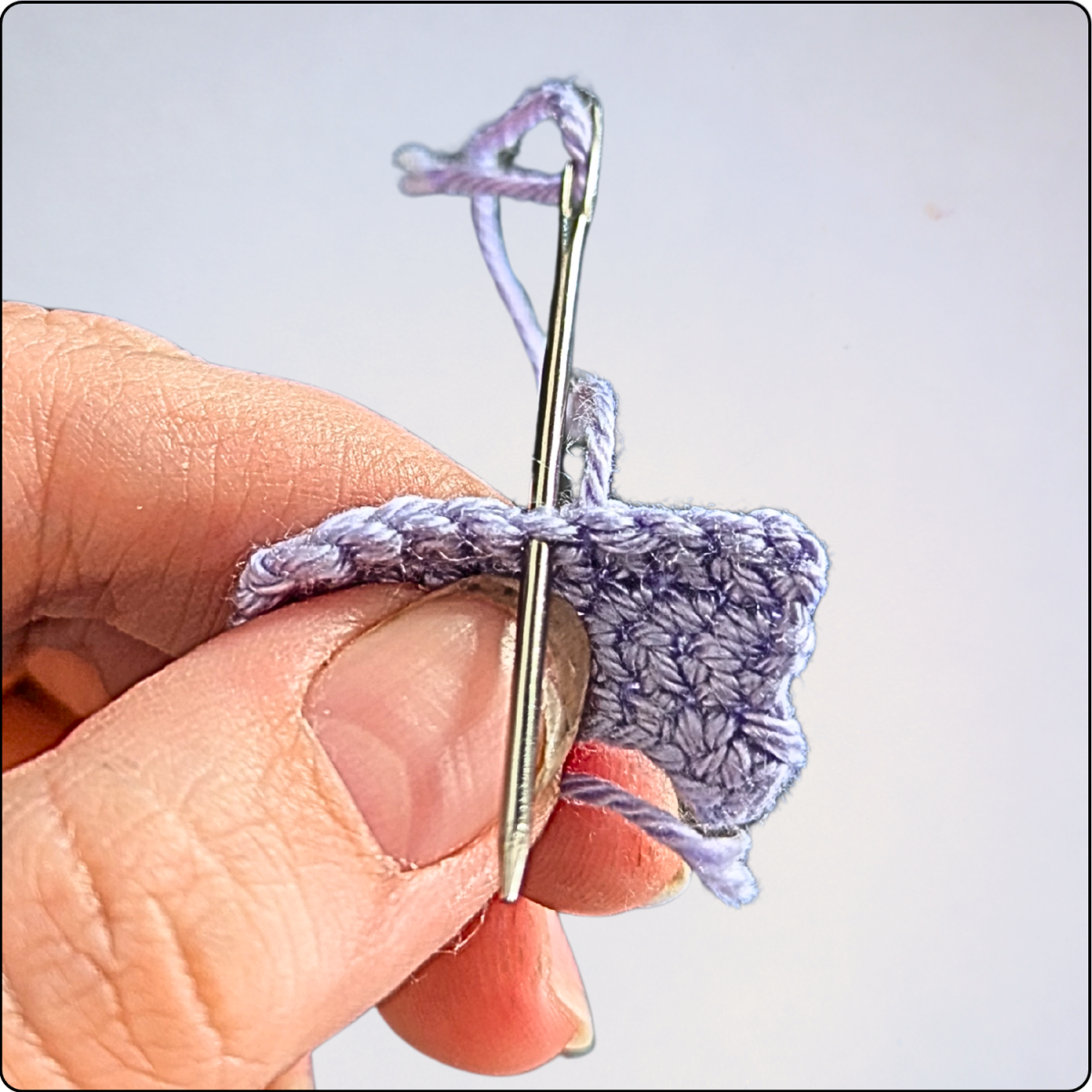
Weaving in ends is often seen as the final—and somewhat tedious—step, which is why it’s frequently done too quickly or carelessly. However, this step is crucial for both the durability and the overall appearance of your crochet project. Loose or only superficially secured ends can come undone over time—especially in items that are used frequently, such as garments, bags, or amigurumi.
Another issue is that poorly woven-in ends may become visible on the right side of your work or create unwanted tension in the fabric. This can make the entire project look less neat, even if the crochet work itself is well done.
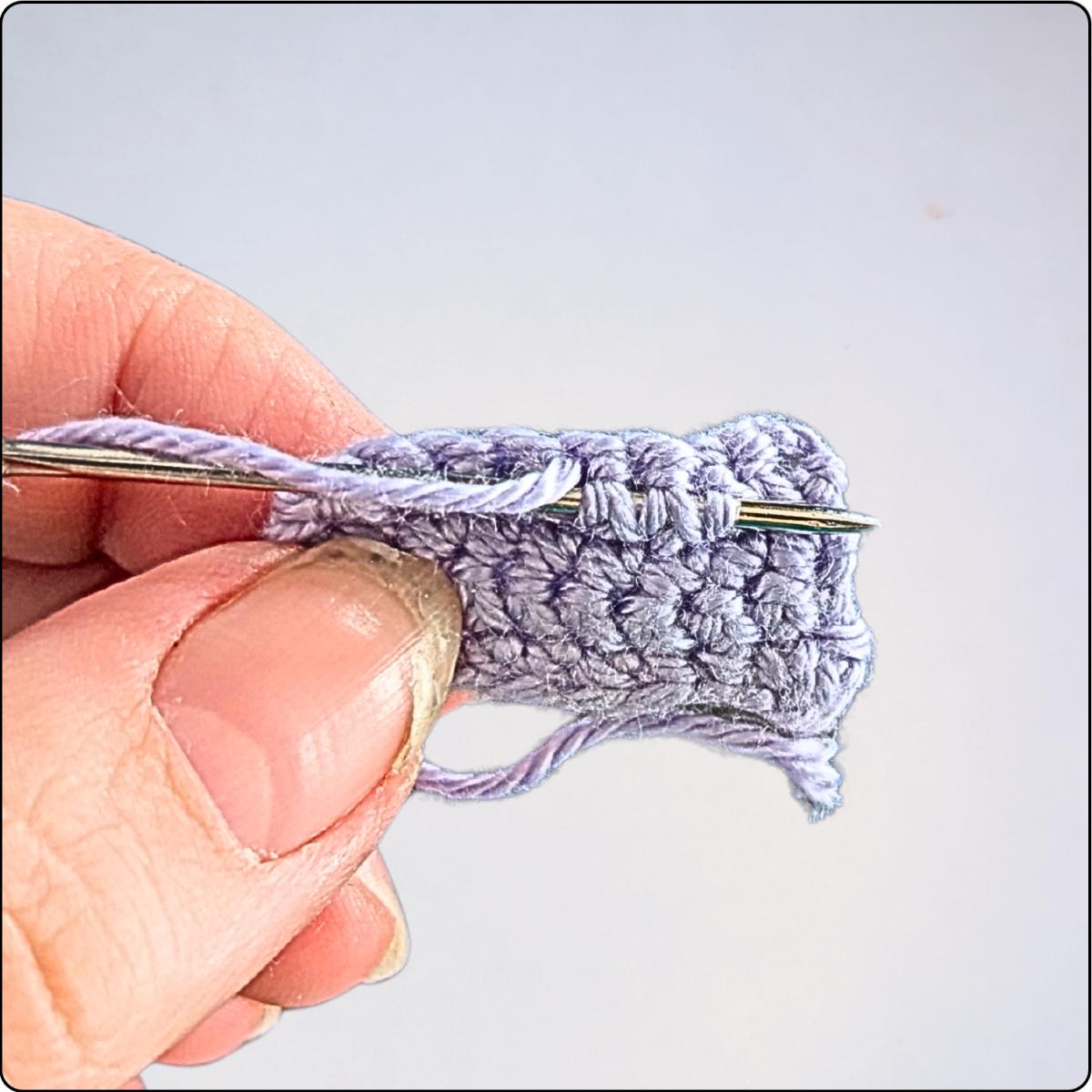
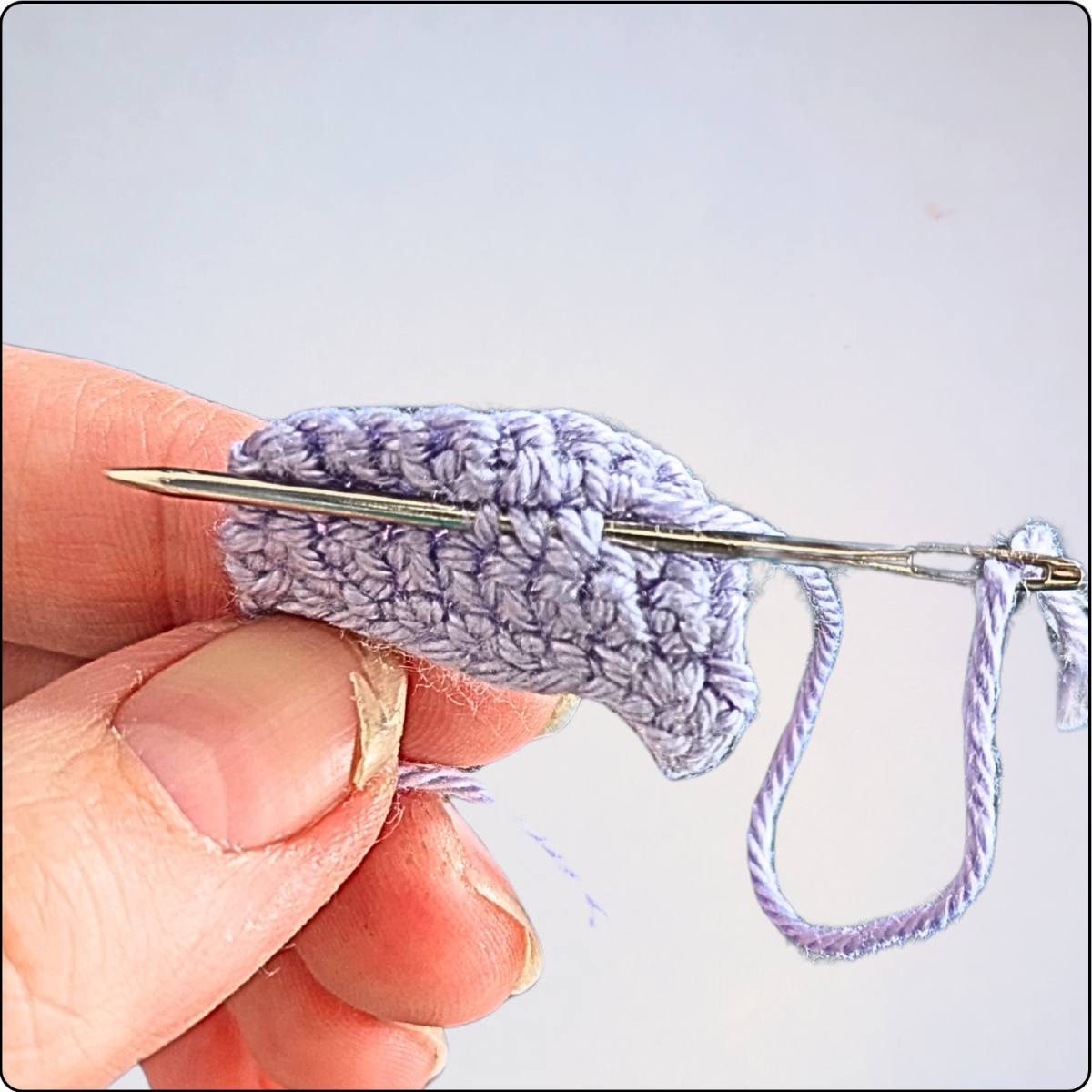
Tip: Always weave in your ends carefully and as invisibly as possible on the wrong side of your project. Guide the yarn through the stitches in multiple directions (changing direction at least twice) to secure it properly. Be careful not to pull too tightly, as this can distort your fabric. With a bit of patience, this final step will give your project a much more polished and professional finish.
10. Expecting Too Much from Yourself
Especially in the beginning - but even as you gain more experience - it’s easy to set very high expectations for your own results. You might compare your work to perfectly polished projects from patterns or social media and feel frustrated when your own piece doesn’t look as even or “professional.”
What’s often forgotten is that those results come from a lot of practice, experience, and often multiple attempts. Small imperfections are a completely natural part of the learning process and not a sign of lack of skill, but rather a reflection of your progress.
Setting expectations too high can also take the joy out of crocheting or cause you to abandon projects too early - even when you’re already making great progress.
Tip: Set realistic goals and give yourself time to improve. Treat each project as practice and focus on your progress rather than perfection. With every new piece, you’ll gain confidence - and your results will naturally become cleaner and more even.
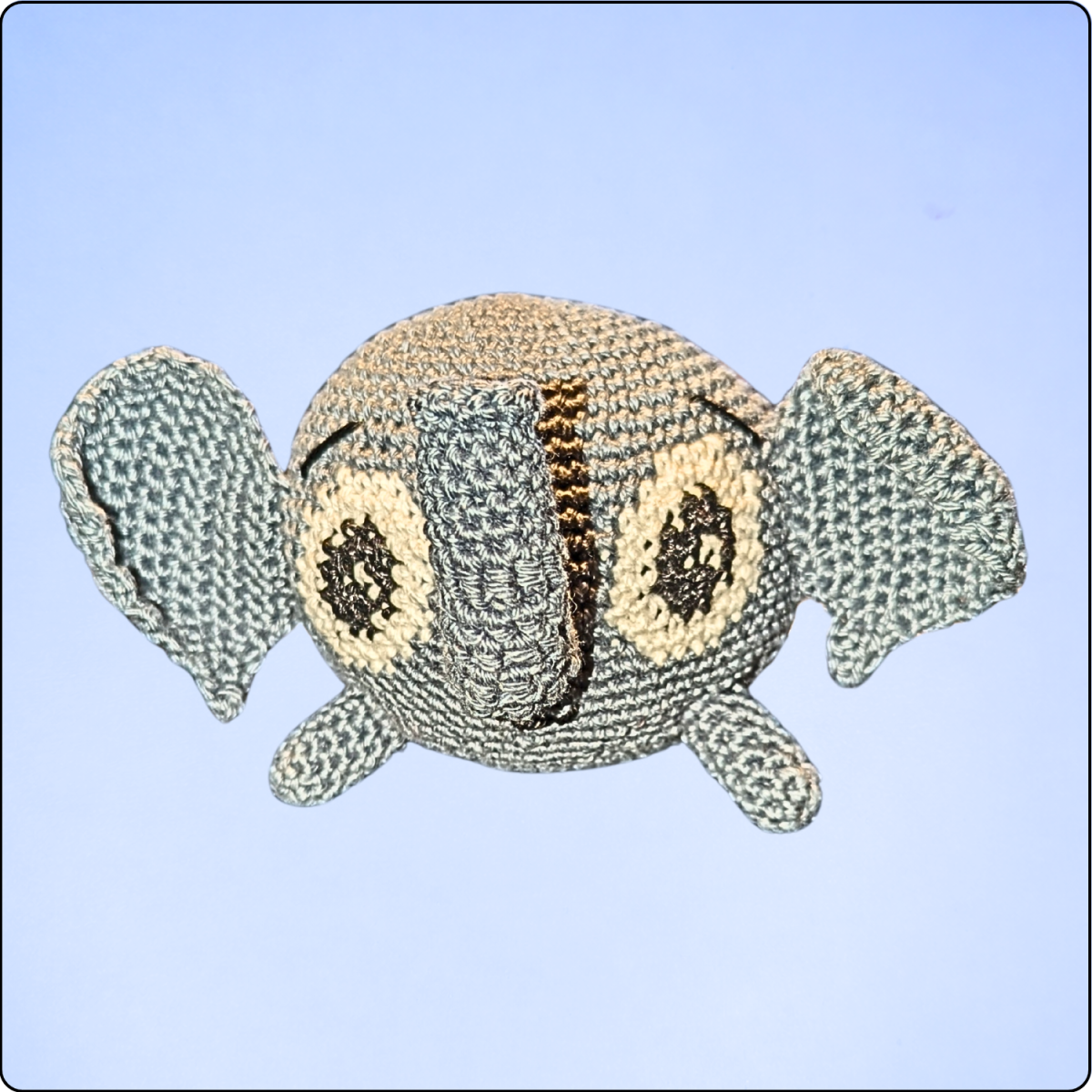
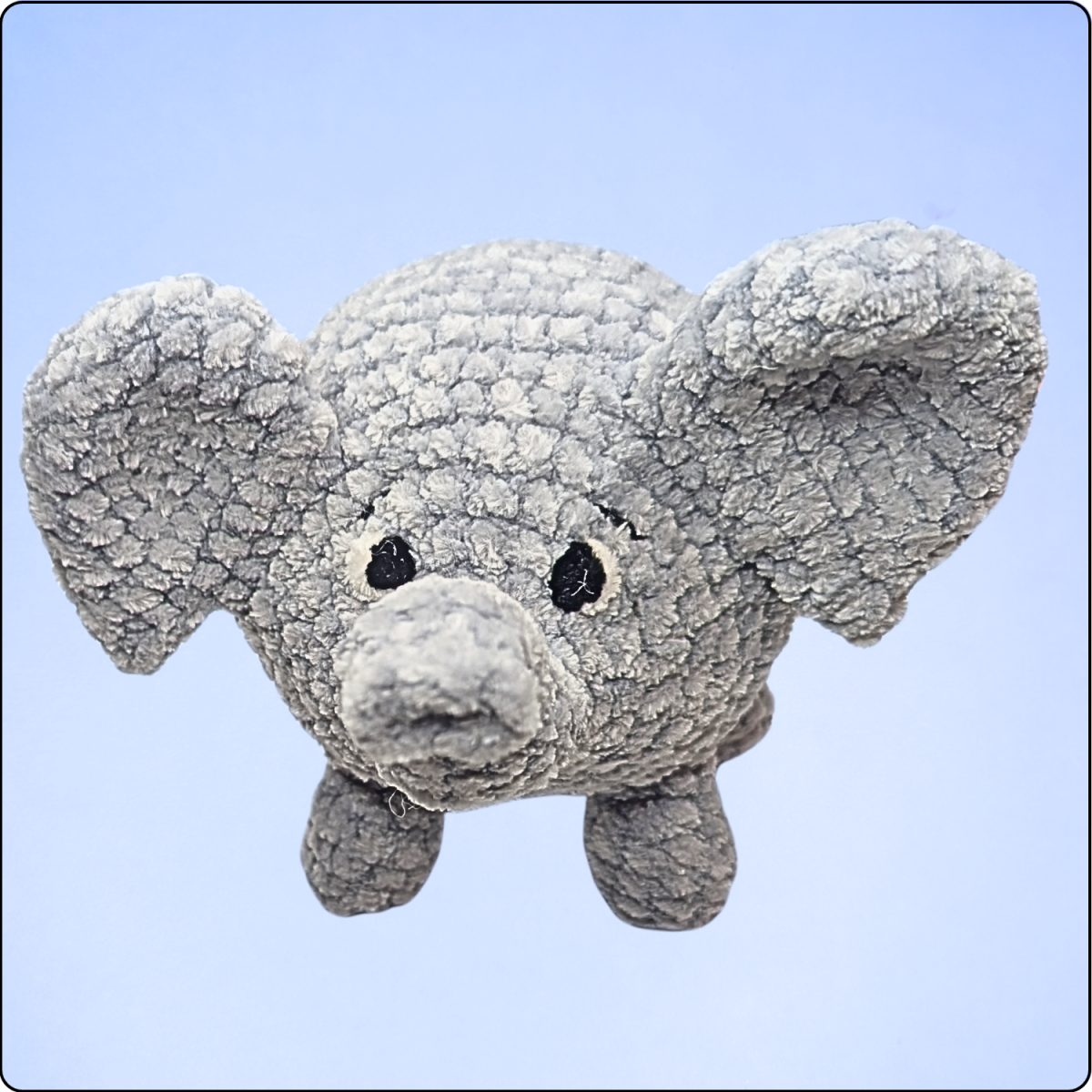
Taking photos of your projects can also help you see how much you’ve improved over time:
If you enjoyed this article, feel free to explore my blog for more tips and free patterns, or check out my shop for additional designs - I wish you lots of joy with your crochet projects!


