
.jpg) Some heirlooms are grand: jewellery, silverware, portraits, clocks that tick their way through generations. But most of the objects that outlive us are far simpler, everyday items that quietly absorb the rhythm of a home. They’re not displayed in glass cabinets or passed down with ceremony. They’re used, loved, and eventually tucked away somewhere safe, waiting to be rediscovered.
Some heirlooms are grand: jewellery, silverware, portraits, clocks that tick their way through generations. But most of the objects that outlive us are far simpler, everyday items that quietly absorb the rhythm of a home. They’re not displayed in glass cabinets or passed down with ceremony. They’re used, loved, and eventually tucked away somewhere safe, waiting to be rediscovered.
Wedding teapots are a perfect example.
These objects aren’t created to be heirlooms, yet they often become exactly that. They survive because they were used, loved, and woven into daily life. Someone will find them decades from now, tucked in a drawer or sitting on a shelf, and they’ll wonder who they belonged to. They’ll feel the warmth of a life lived around them.
That’s the quiet magic of domestic objects. They carry memory without trying. They become heirlooms without meaning to.
.jpg) As makers, we often underestimate the emotional weight of the things we create. We think of them as practical items; a cosy to keep tea warm, a blanket to keep someone comfortable, a hat to keep out the cold. But the people who use them attach meaning to them. They become part of their routines, their rituals, their sense of home.
As makers, we often underestimate the emotional weight of the things we create. We think of them as practical items; a cosy to keep tea warm, a blanket to keep someone comfortable, a hat to keep out the cold. But the people who use them attach meaning to them. They become part of their routines, their rituals, their sense of home.
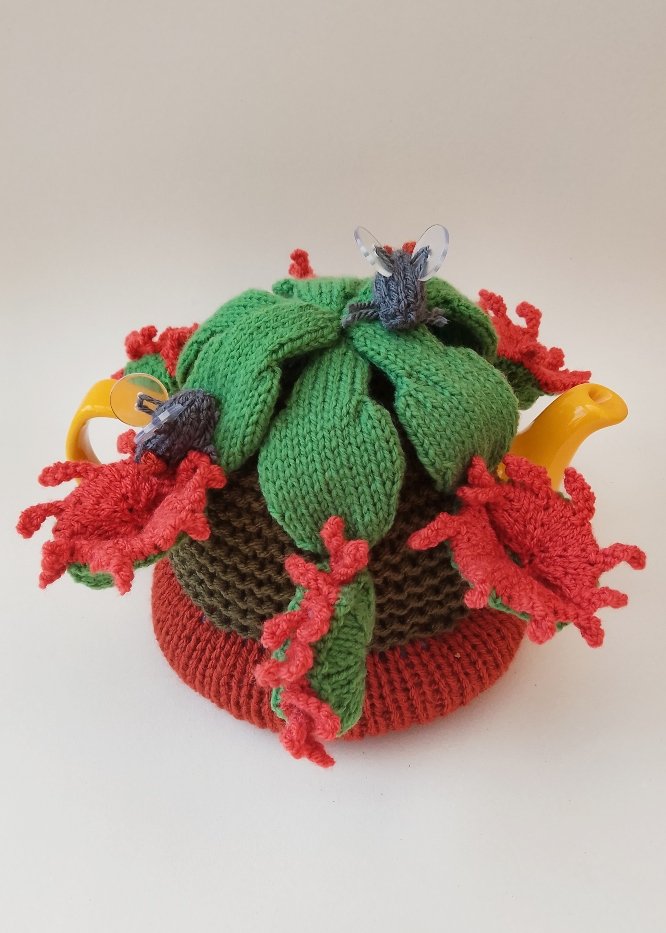
A tea cosy, for example, is an everyday object. It sits on the table during breakfast, during late‑night chats, during quiet afternoons. It’s handled, washed, and used without ceremony. But it’s also personal. It carries humour, character, and a spark of joy. It reflects the personality of the person who chose it or the person who made it.
I like the idea that one day, someone might find a TeaCosyFolk cosy in a drawer and smile. They might not know who made it or why it was chosen, but they’ll feel something. A connection. A warmth. A sense of continuity.
That’s what everyday heirlooms do. They bridge the gap between past and present. They remind us that the small things matter just as much as the grand ones.
Wedding teapots did this beautifully. They were not grand heirlooms like jewellery or silverware, but they were meaningful status pieces. In nineteenth‑century Kilbarchan, only skilled weaving families with a steady income could afford imported tea and a personalised commemorative teapot made especially for them. These pots marked a new household and were proudly displayed in the best room, and they survived because they mattered.
Handmade items have the same power. When you knit something, you’re not just creating an object. You’re creating a future memory. You’re creating something that will live in someone’s home, be part of their daily life, and maybe; just maybe, outlive them.
That’s a profound thought, but also a comforting one. It means that the work we do as makers has longevity. It means that the hours spent choosing colours, shaping stitches, and adding character aren’t just practical tasks; they’re acts of care. Acts of connection. Acts of legacy.
Everyday heirlooms matter because they’re honest. They’re not preserved for prestige. They’re preserved because they were loved.
 Think about the objects you’ve kept from your own family. A teacup. A scarf. A handwritten recipe. A button tin. These things weren’t meant to be heirlooms, yet they became exactly that. They carry the imprint of the hands that used them. They carry the atmosphere of the home they lived in. They carry stories; not grand ones, but real ones.
Wedding teapots remind us that domestic life is full of these small, meaningful objects. They show us that beauty and sentiment can be found in the simplest things. And they encourage us to look at our own homes with fresh eyes, noticing the items that quietly shape our routines and memories.
As makers, we have the privilege of creating future heirlooms. Not because we set out to, but because handmade things naturally become part of people’s lives. They’re chosen with intention. They’re used with affection. They’re kept with care.
A tea cosy might seem like a small thing, but it’s not. It’s a companion to countless cups of tea, countless conversations, countless moments of comfort. It’s part of the fabric of a home. And one day, it might be found by someone who wasn’t there when it was used; someone who will feel its warmth anyway.
That’s the beauty of everyday heirlooms. They don’t shout. They don’t demand attention. They simply endure.
Wedding teapots did that. Handmade items do that. And the things we create today will do that too.
So the next time you knit something; whether it’s a cosy, a blanket, or a tiny character with a cheeky grin, remember this: you’re not just making an object. You’re making a memory. You’re making a future heirloom. You’re making something that might outlive you, carrying your story forward in the quietest, most meaningful way.
And that, to me, is the heart of craft.
Article by Suzy Cowper, knitting designer and entrepreneur at TeaCosyFolk


